A one of kind centre in Australia where we bring Martial, Performing, and Creative Arts under one roof to help our members grow stronger in body, sharper in mind, and richer in self-expression, with clear pathways from beginner to advanced.
We believe in Building Confidence while Mastering the Spirit.
What is our Story?
Kushru Jehangir Sethna (KJ) is the co-founder of KJ Arts Centre.
Growing up immersed in martial, performing, and creative arts, KJ experienced first-hand what many families still face today: parents driving from one centre to another, switching instructors and programs just to give their children access to a complete set of skills.
That early experience shaped a clear mission: bring high-quality pathways together under one roof so students can grow faster, safer, and with stronger guidance.
KJ is married to Kim Jin, co-founder of KJ Arts Centre and a performing and creative arts specialist. Together, they are raising their two daughters, Kiana and Jiana, with the same belief that children thrive when discipline, movement, and expression are developed side by side.
KJ brings over three decades of martial arts teaching & training alongside a senior corporate career in leadership, transformation, and youth mentorship for the last 7 years.
This blend of traditional training and modern leadership has shaped the Centre’s culture: structured programs, clear standards, strong values, and a focus on real personal development rather than short-term hype.
KJ Arts Centre reflects KJ’s vision of a true multi-arts pathway where young people can train across martial, performing, and creative arts to build the attributes that matter most: confidence, spirit, strength, focus, and resilience for the real world.
In martial arts, KJ holds a 3rd Dan JKA (2013) awarded by Shihan Keith Geyer, Chief Instructor of JKA SKC Australasia. He also holds a 1st Dan in Shorin-Ryu Karate (2009).
His background spans multiple respected lineages and competition bodies including JKA, SKC, WKF, ISKF, and JKS, alongside formal training in Shotokan Karate, Shorin-Ryu Okinawan-te, Aikido, and Close Quarter Combat, giving him a broad base across traditional and practical disciplines.
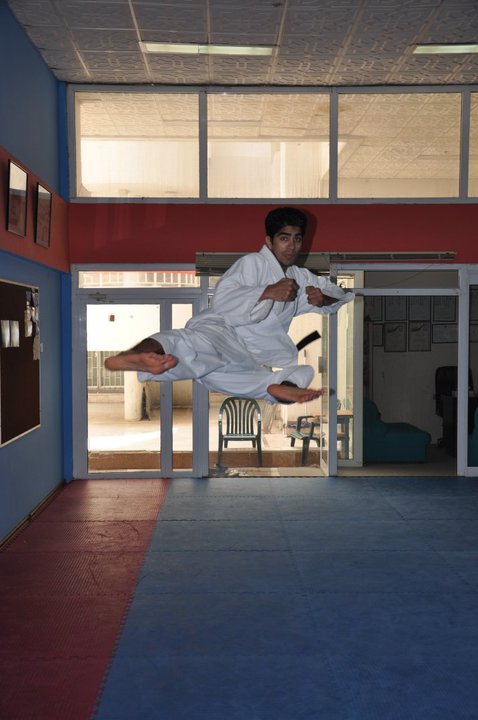
This breadth of experience informs a teaching approach that is grounded in traditional Budo principles while remaining practical, adaptable, and relevant to modern life.
He brings this same clarity, structure, and accountability into his teaching, guiding students in discipline, confidence, decision-making, and long-term personal development.
Youth Mentorship Experience
KJ has mentored professionals across diverse industries helping them succeed in their careers and join world class companies. KJ is also an Alumni of Monash University and a Monash University Mentor.
At KJ Arts Centre, Kushru’s philosophy is rooted in balance: strength with control, tradition with insight, and physical training aligned with mindset and character.
KJ’s Martial Arts Journey over 30 years
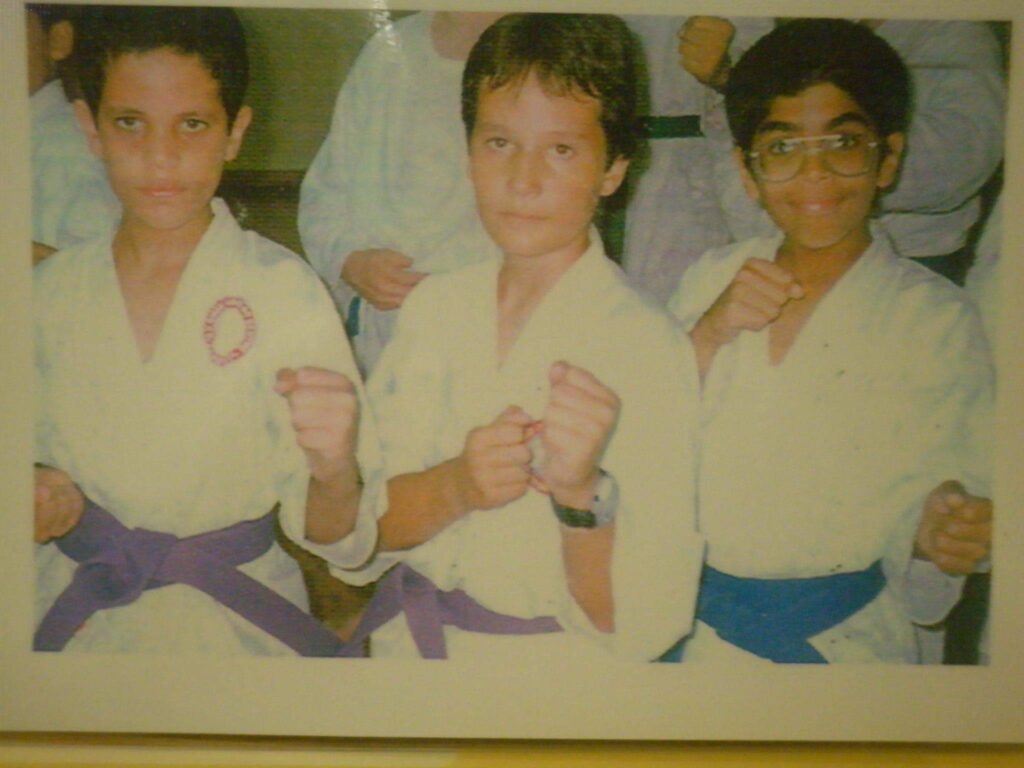
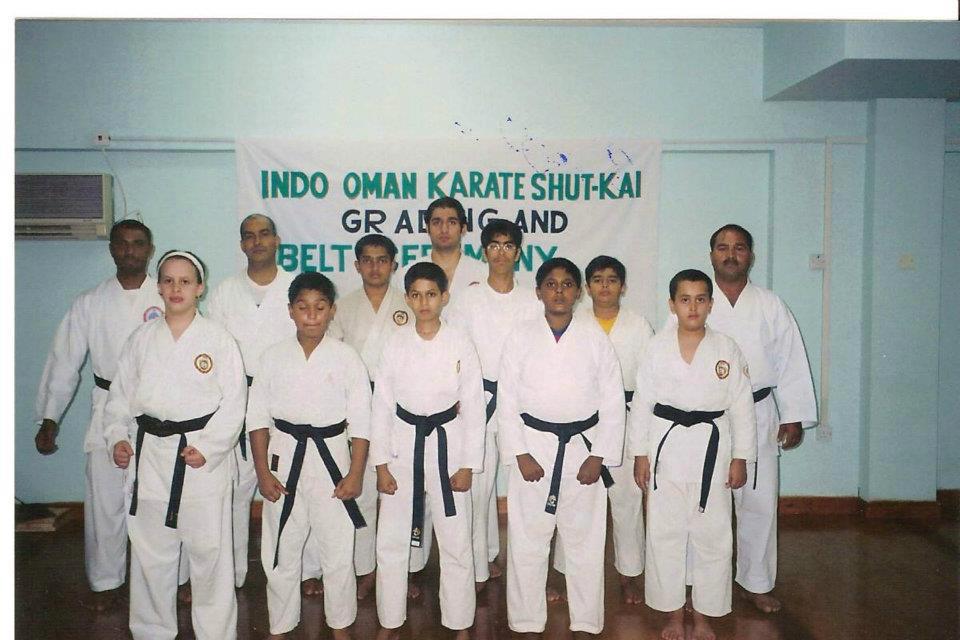
KJ Sethna (Far Right) as a Blue Belt at 10 years old in 1999.
Starting Karate in Secret
with Sensei Azad
KJ started Karate at the age of 5 in the Sultanate of Oman (middle east).
It was his dad that inspired him based on his wish to learn karate after watching Bruce Lee movies from the 70s.
In 1994, Karate and all Martial Arts were suddenly banned in Oman.
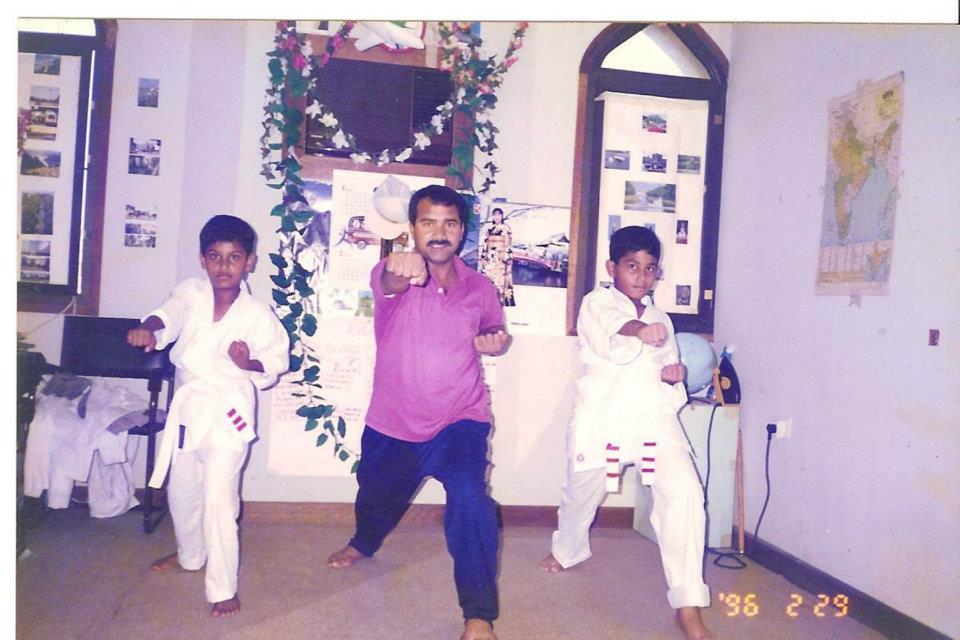
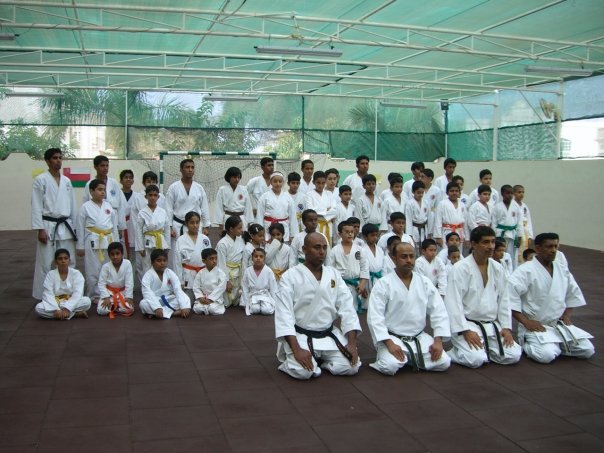
KJ started his training in secret in with his physical education school teacher Sensei P.L. Azad. This training took place in Sensei Azad’s school appointed accommodation room (3mx3m) with 2 other students.
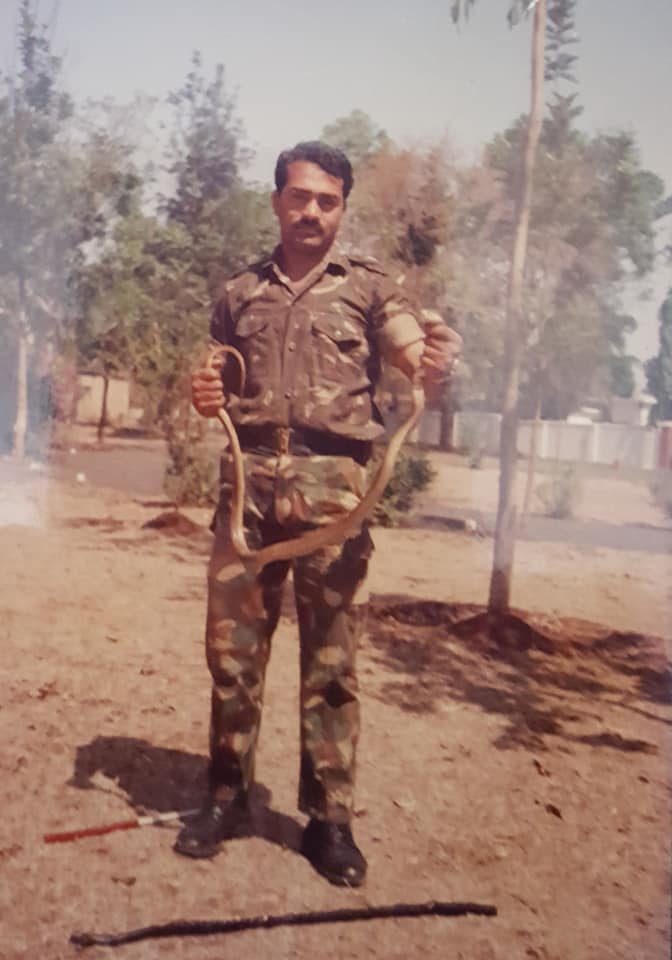
Sensei P.L. Azad
Sensei Azad was an ex-military instructor and his Karate coaching was very difficult with a lot of emphasis on physical training, fitness and kumite (sparring).
A year later with the efforts of senior karate practitioners in Oman, Karate was no longer banned and as a result sensei Azad, started to teach at the Oman Karate Do Centre with Sensei Farid Al Shuhaibi, the founder of karate in Oman.
- At a later time, sensei Azad started his own dojo and KJ spent many years with both sensei Farid and Azad- learning two different ways of practicing Karate.
- KJ got his Shodan under sensei Azad in 2004.
- KJ taught alongside sensei Azad from 15 to 18 and then at 19 onwards sensei Azad would let KJ run the classes 4 times a week until he left for Australia. KJ would return later as a guest instructor from time to time.
Sensei Farid Al Shuhaibi
The founder of karate in Oman
- KJ trained with Sensei Farid from his Red Belt to Blue Belt.
- Sensei Farid’s way was very technical and focused a lot on Basics (Kihon) and Forms (Kata) with some Applications (Bunkai).
- Being the founder of Karate in Oman, he was responsible for the spread of Karate in Oman and growth of many instructors and dojos.
- Sensei Farid mentored KJ across karate training and teaching methods.
- KJ received his 2nd Dan in 2007 after failing his first attempt in 2006 with Sensei Farid under the JKA.
- KJ taught alongside sensei Farid from the Age of 15 to 18 and then when sensei Farid had the opportunity to get KJ to teach a new class at Omani Private school, KJ started to teach by himself.
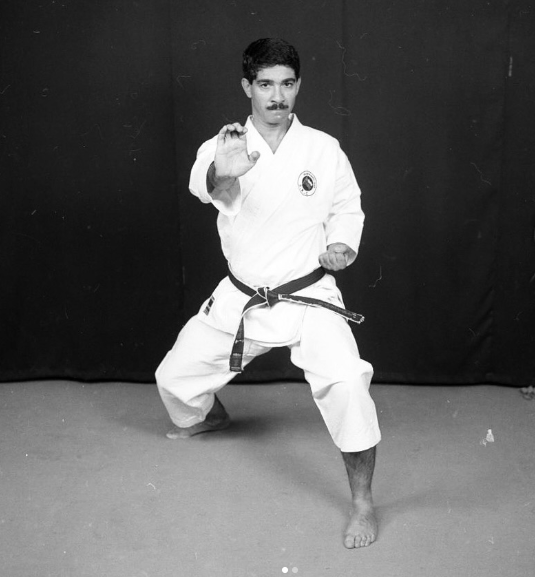
KJ Almost Quitting Karate at 10!
Sensei Farid treated KJ like his son and wanted him to be good at Forms (Kata).
When he graded KJ, he wanted him to perfect the “horse stance” – kiba dachi.
KJ hated this form and ended up failing his Blue Belt grading 5 times over a period of over a year and nearly quit Karate!
It was then that his mother asked him to try classes again with Sensei Azad instead of quitting.
KJ then trained with Sensei Azad until he was 14 when he received his Shodan (first dan).
Getting To Black Shodan – The Bruises
With Sensei Azad, the gradings were very much military training from Blue to Black.
They tend to be brutal to test your spirit and mental toughness or rather build it!
For instance, the gradings were spread across 2 days – physical training day and a practical day training.
For the Black Belt each practitioner had to do 275 pushups, 275 sit-ups, 275 squats followed by 275 cossack squats!
The following day, if you passed the physical training, practitioners were tested on Basics (Kihon), Sparring/Fighting (Kumite) and Forms (Kata).
KJ only remembers bruises and shaky muscles !
“Back then we never had any gloves, headgear nothing!. “
Road To The Youngest Karate Coach
At 15, KJ became one of the youngest karate coaches in the world.
This was driven by his family business failing where his parents had to sell everything to survive and couldnt afford classes anymore.
Sensei Azad and Farid both offered to have KJ become a junior instructor while continuing to receive classes.
This led to having the ability to teach and train at 2 dojos under 2 different instructors and coach over 100 students a week!
This built KJ’s curiosity to learn more, it led him to explore different martial arts, cross train and experiment.
At 20, KJ launched Adult Karate classes in Oman with the vision of building a club of older martial artists.
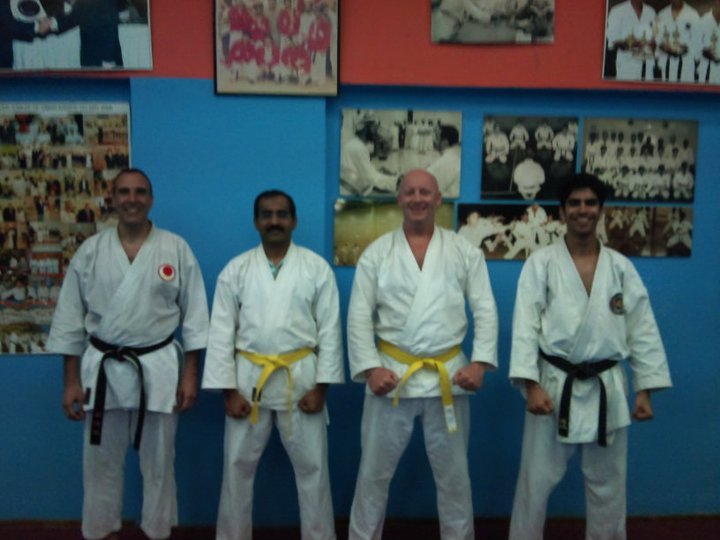
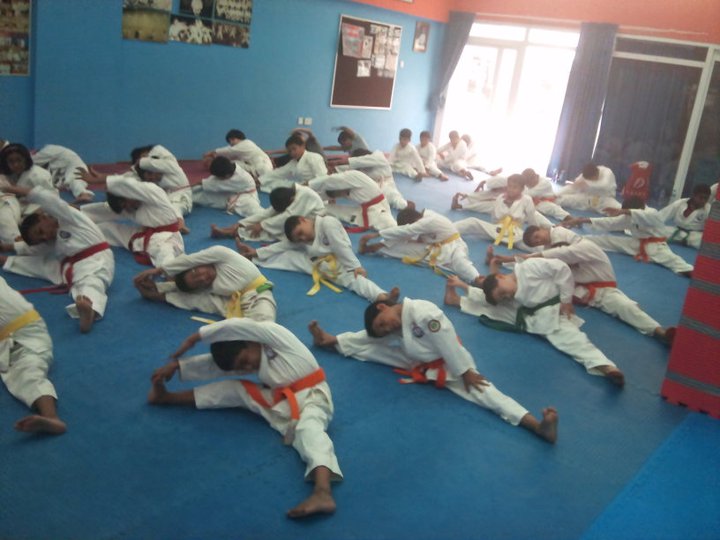
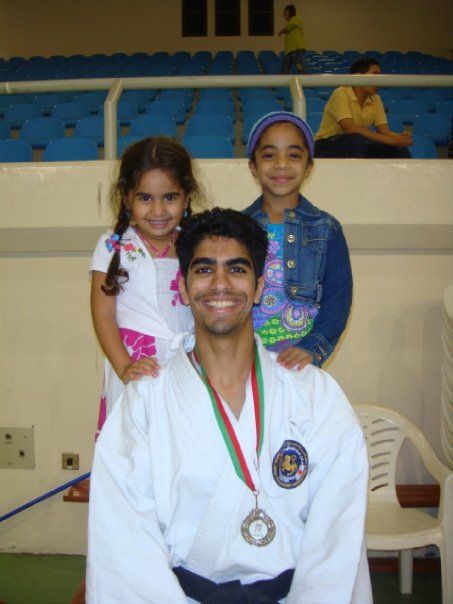
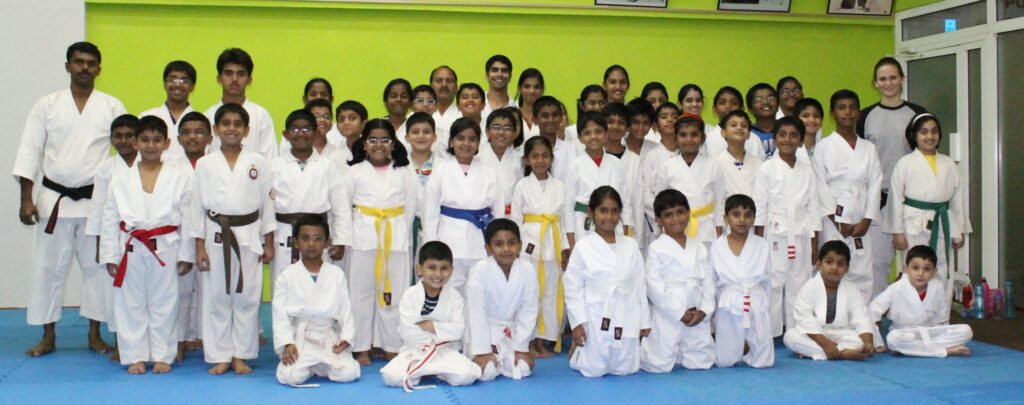
Hesitant to grade and journey to Nidan
With a traditional view of karate, KJ was very hesitant to grade any further from Black Belt Shodan.
This is where Sensei Farid coached KJ that it was something that would drive his level up further. In 2007, KJ graded to Nidan under the JKA system after 3 years in Shodan.
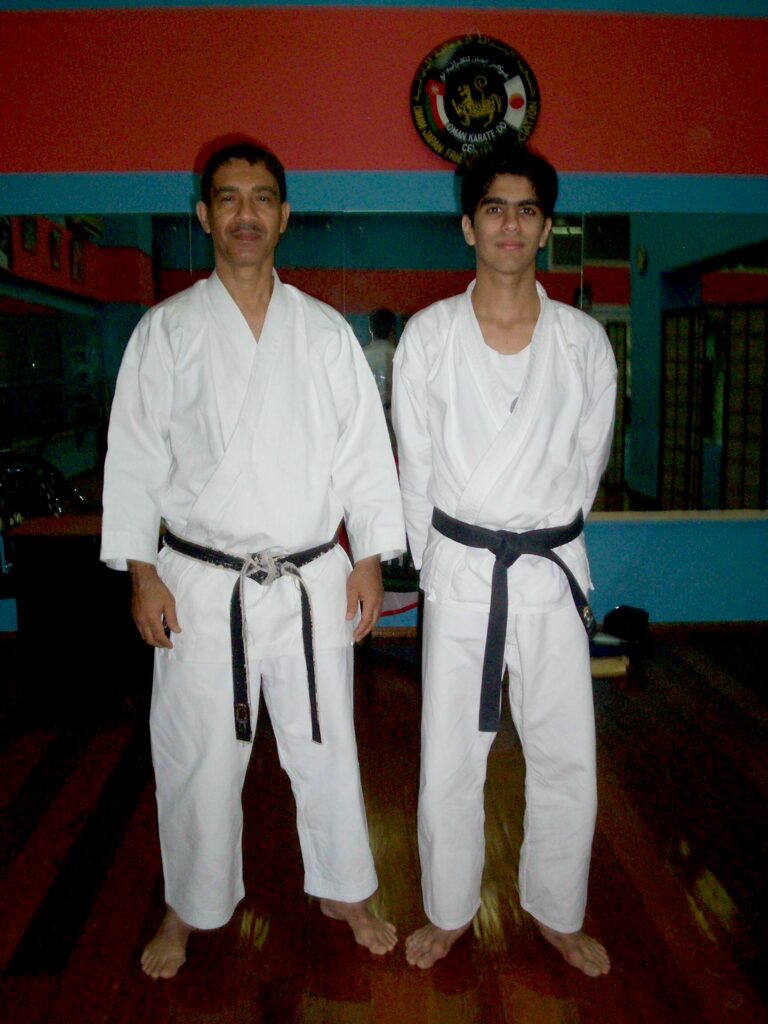
Shihan Farid Al Shuhabi & Kushru Sethna
Nidan JKA Grading oman 2007
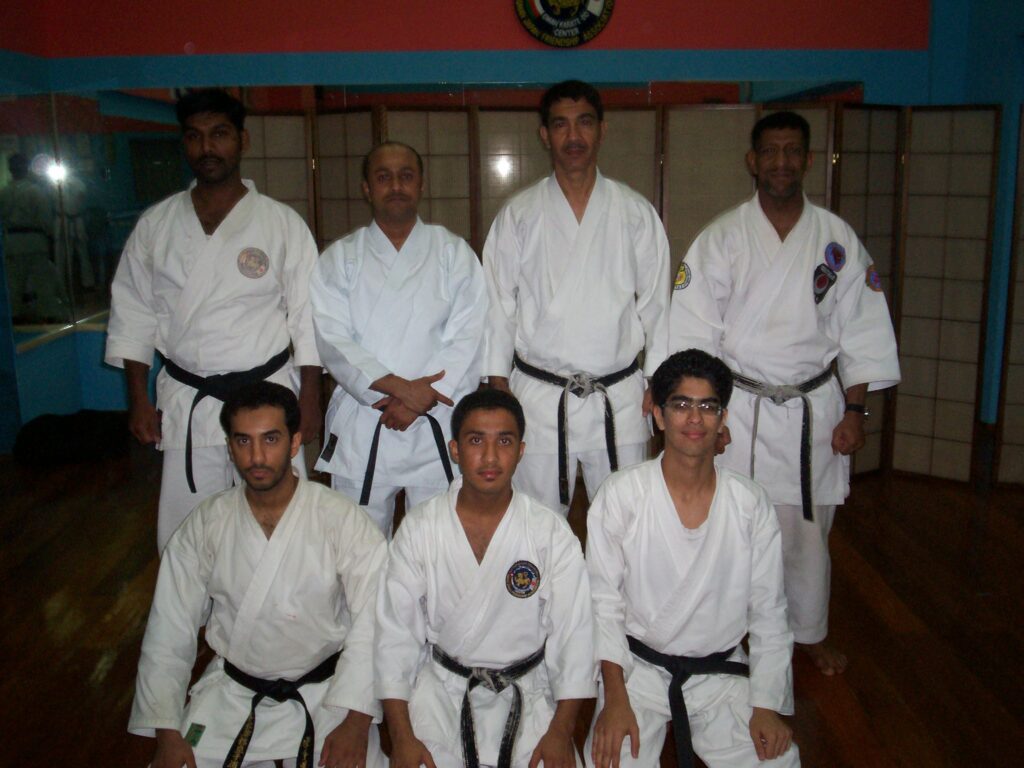
Top Row : Navas Mokeri, Late Shihan Khalid bin Mubarak Al Balushi, Shihan Farid Al Shuhaibi and Shihan Khaled
Bottom Row: Hilal Al-abdali, Husam AL Shabibi and Kushru Sethna
Going Digital with Karate
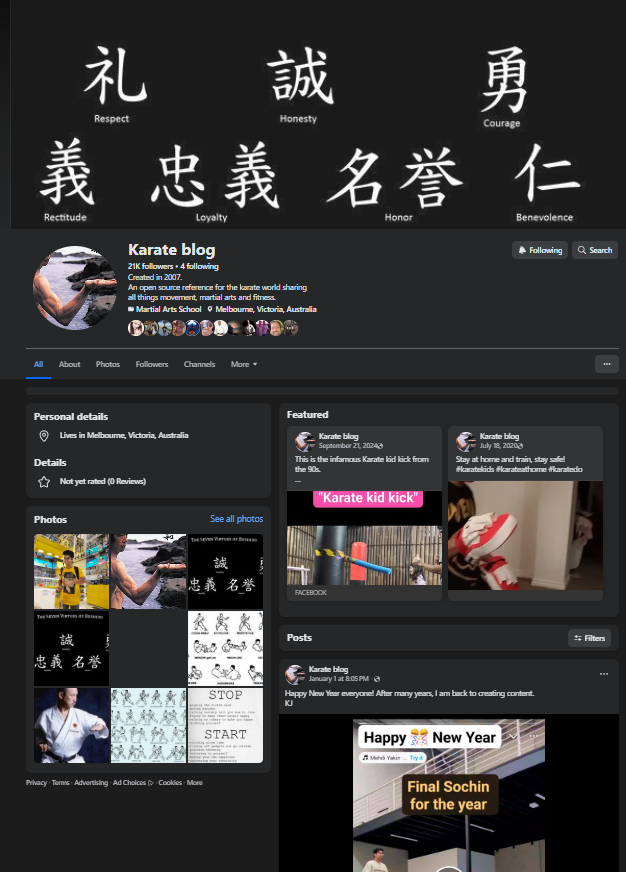
Being a technically savvy geek KJ at 17, KJ created a Facebook Group which at its peak reached 25,000 followers.
His vision at the time was to spread karate knowledge around the world and find content that was secret that could be shared.
He wanted to promote open discussion in the world of karate as it was seen as “Taboo” to discuss techniques, faults and problems.
At the back of this KJ created the Youtube Channel to share key basic movements which has over a million views and has helped spread real karate in the world.
This helped KJ make friends at a global stage which later helped him find a dojo when he moved to Australia.
Exploring other Martial Arts
During this journey he came across Randy Conn – Aikido Instructor who he trained with twice a week for a number of years.
Randy was a traditionalist Nidan Aikido-ka who would throw KJ around the room while pointing out things he could improve in his martial arts journey.
KJ’s curiosity didn’t stop there. He wanted to get experience with Judo, other forms of Karate and other martial arts.
He found one of Master Frank Nobleza students who was teaching a blend of Shorin Ryu karate and Filipino martial arts and trained with them for 2 years.
Frank Nobleza, is a 10 Dan karate grandmaster, and self-defense specialist, with experience from the American military base, and the police academy in Oman.

Aikido
This topic covers essential concepts to enhance your understanding.

Judo
This topic delves into advanced strategies and techniques.

Okinawan Te
Explore this topic for foundational knowledge and insights.
KJ’s View on Sports Karate
KJ has never been a fan of “Sports Karate” as its completely watered down and very materialistic.
However, Sensei Farid always encouraged him to take part in the various JKA and WKF competitions. This got KJ competitively into Kata and Kumite competitions with a preference towards Kumite.
KJ would often get disqualified in competitions for the level of contact applied or techniques executed.
People would often ask him – do you train to compete or kill?
KJ’s view is that the current state of Sports Karate is not practical and lacks any practicality and just pushes a certain agenda of medals and certificates.
KJ was part of Omani National Team from ages of 17-20 performing at national competitions and demonstrations, promoting karate in Oman.
He became a State and National Level Competition Referee 2007-2012.
Due to various injuries, KJ stopped competing in 2015 in Australia.
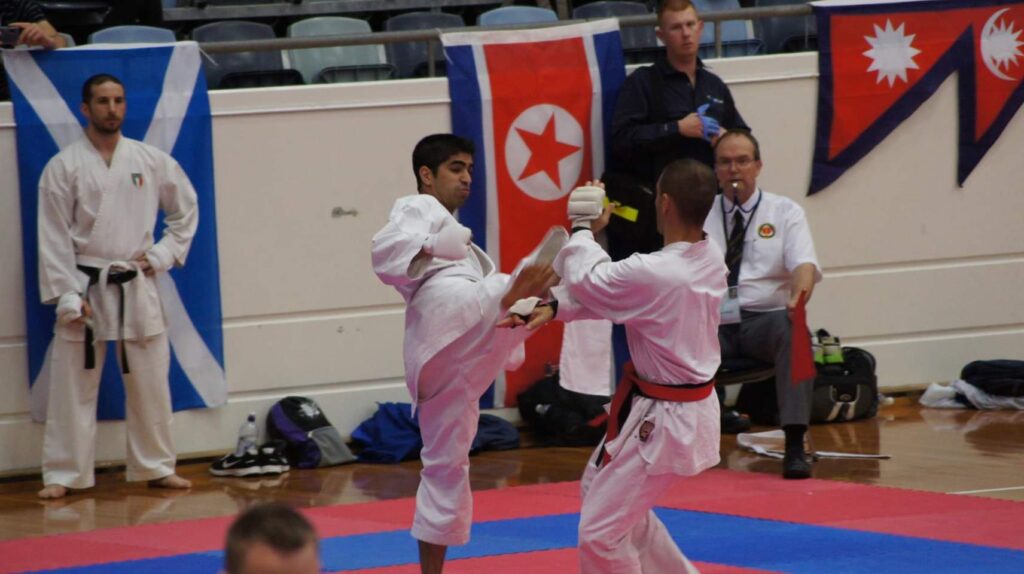
World Championship 2013
Kumite against Serbia. In this photo KJ kicked the Serbia Karateka in the first 5 seconds of the match in the head which dropped him and this resulted in a warning to disqualification.
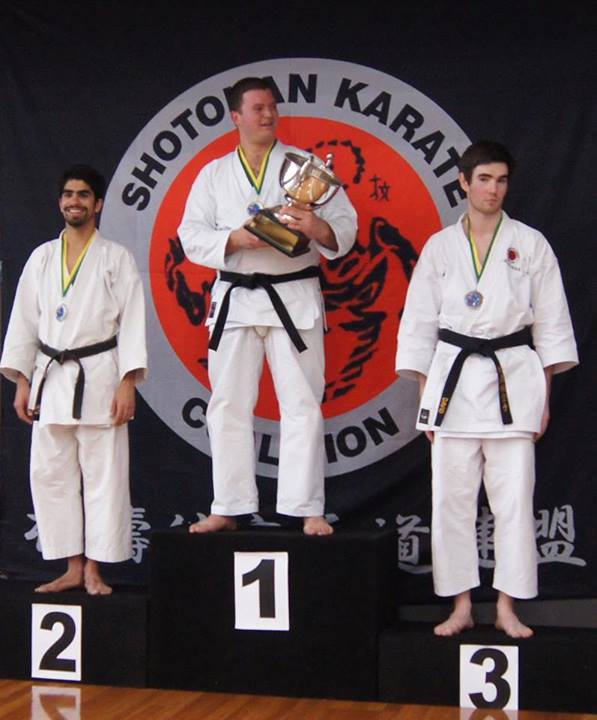
Australian Nationals 2013
2nd Place Kata at the SKC Nationals in 2013
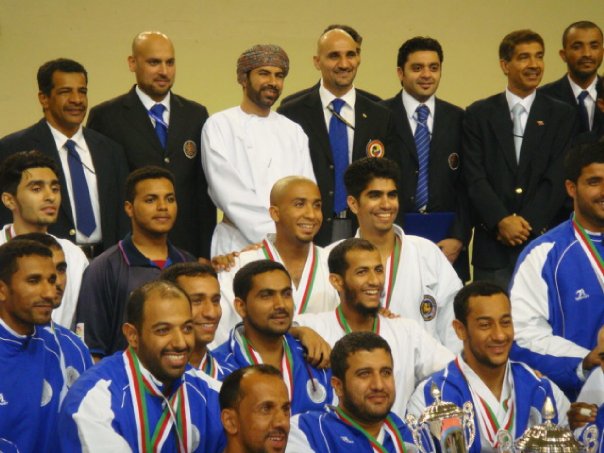
Oman Nationals 2009
KJ with international Referees and the Omani Karate National Team. Mainly members of the Royal Omani Police Forces and Armed Forces.
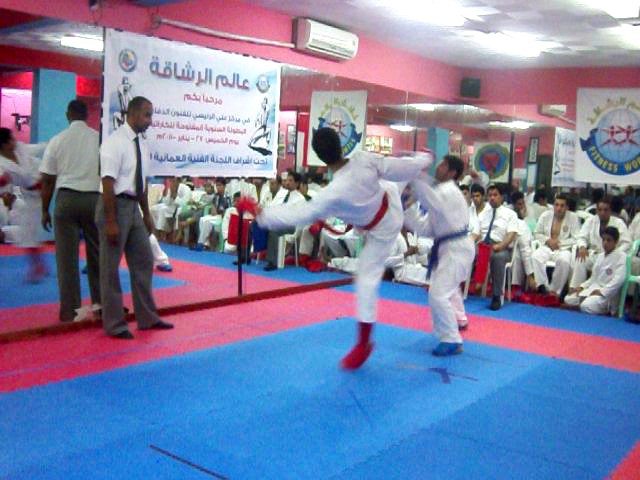
WKF Competition
KJ scoring Ippon at a WKF competition in Oman with a “Ura Mwashi Geri” – Reverse Spinning kick.
Moving to Australia. Meeting Karate Legends
Shihan Keith Geyer & Shihan Stan Schmidt
At 21 , KJ wanted to study Bachelor of Sports Science, however his mother refused to let him go unless he picked something in Accounting or Finance.
At 22, KJ came to Australia to do his Masters in Accounting.
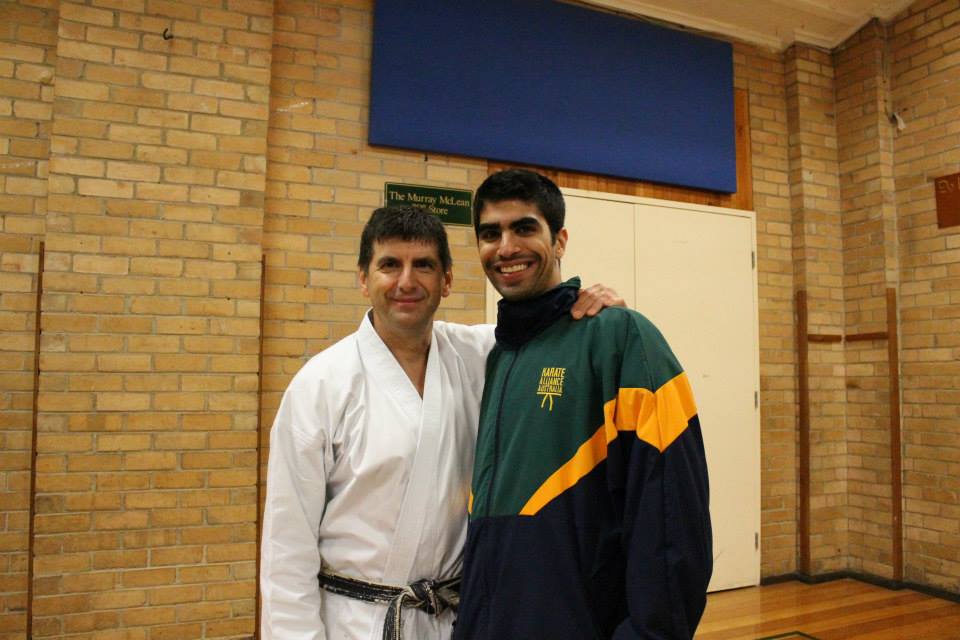
When KJ moved to Australia, his JKA Karate friend Marco Maciel from Chicago told him to seek out Karate Legends from South Africa – Shihan Keith Geyer and the late Shihan Stan Schmidt.
KJ was lucky to get to train with Shihan Keith Geyer and join the Early Birds Classes that take place at 6 AM at the Elwood Jetty and are as hard as they come.
Sensei Keith acted as a solid mentor for KJ in a very difficult time of his life.
KJ was very keen to learn more and wanted to continue to teach karate, so he requested sensei Keith if he can help him teach the younger kids classes.
These classes helped KJ learn another method of teaching that was more technical than anything he had learnt.
KJ would try to get to every class he could on his push bike wearing a balaclava on the cold melbourne days and a raincoat with a gi underneath on rainy days.
By 23, under the guidance of Shihan Keith, KJ had the opportunity to become part of the Australian National & Victorian Karate team representing Australia at the World Karate Championships.
In 2013, KJ got his Sandan from Shihan Keith Geyer. After this he stopped grading. KJ’s views on grading are “traditional”.

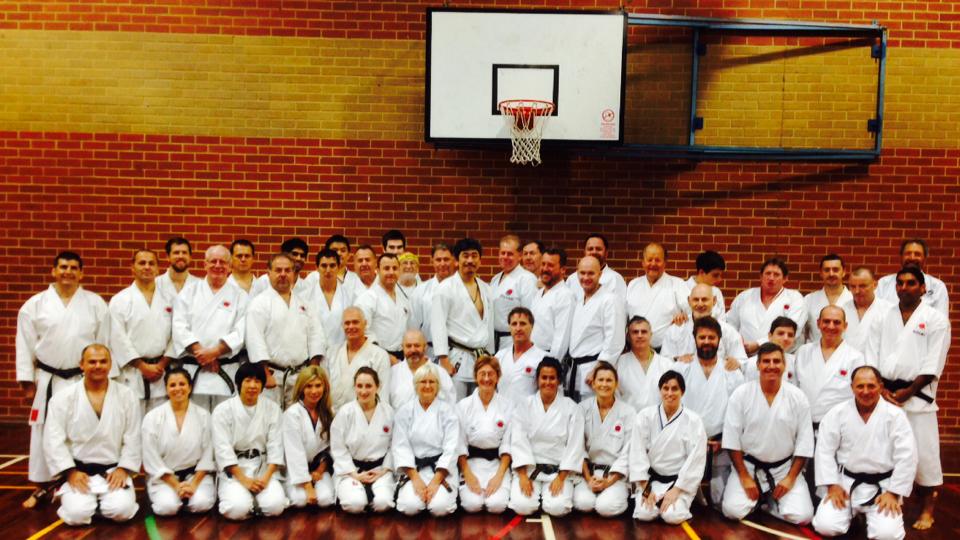
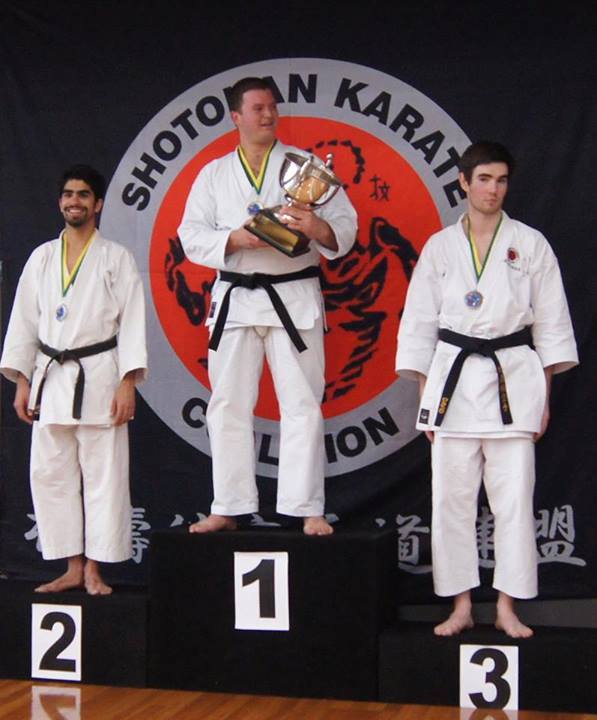
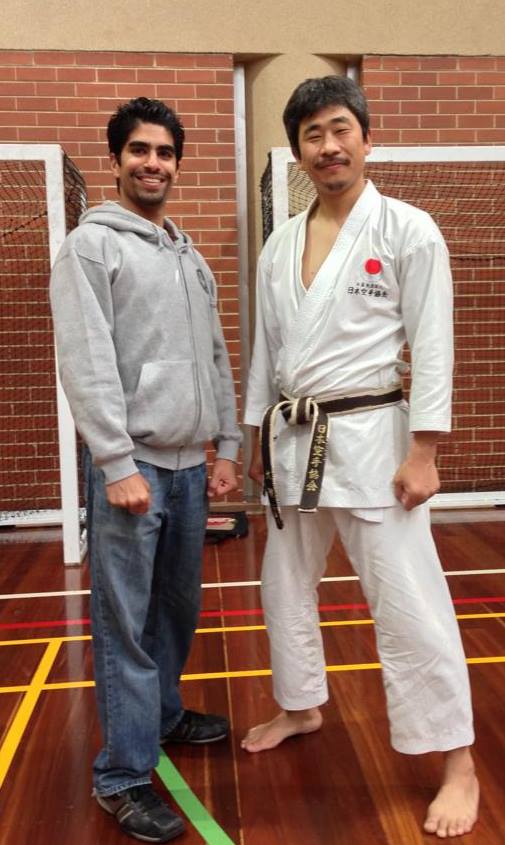
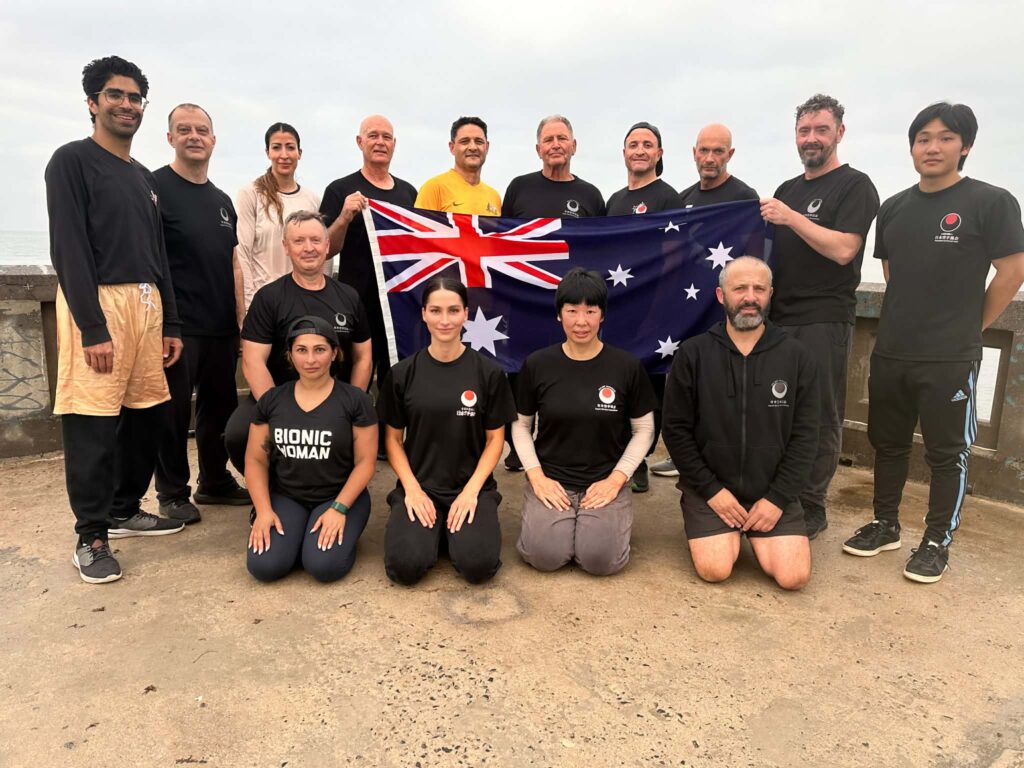
Australia Day 2026 – Elwood Jetty Early Birds Karate Training
KJ’s Corporate Career
In parallel with his martial arts journey, KJ has led complex enterprise-level transformation programs delivering 16 digital transformations in 8 years across B2C, B2B2C, D2C, and B2B sectors, offering a unique perspective from eCommerce, fintech, and retail across APAC.
By 28, after a few years in accounting, KJ got into digital projects as a business analyst and project manager in technology projects.
By 29, KJ joined Consulting Agencies to transform the Digital and E-commerce landscape of Australia.
By 30, KJ took a plunge into Product Management and started writing and coaching about product and software development lifecycle.
By 37, KJ has been part of various product launches, and delivered numerous platforms, transformation programs.
His work has helped startups, SME and Large businesses transform and unlock their ability to innovate.

16
Digital Transformations


The Birth of the KJ Arts Centre
It was in Australia that Kushru (KJ) and Kim (Jing) Jin – “also KJ” were destined to meet and have 2 kids – Kiana and Jiana… “also KJ”.
During 2021, KJ decided to turn his backyard into a Dojo – like the karate kid movies !
“Mr Miyagi style”.
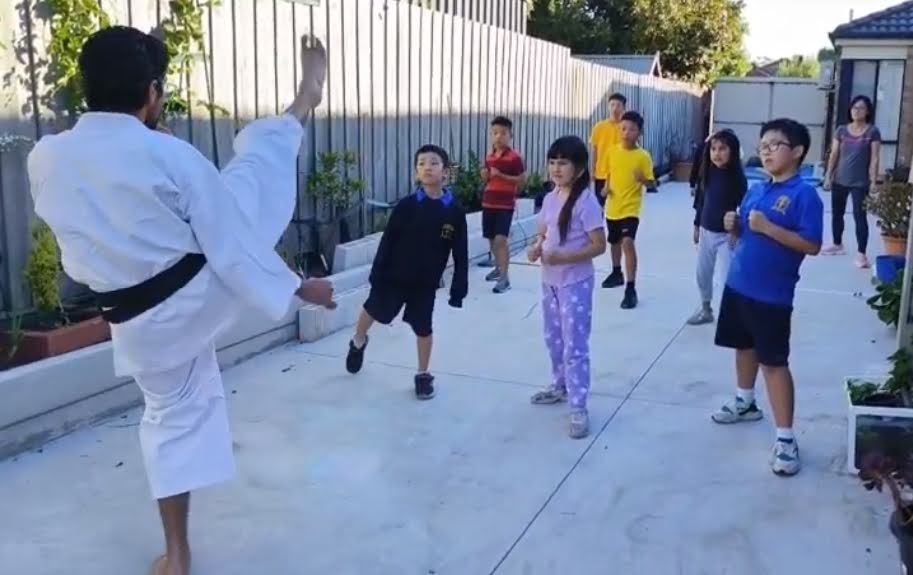
KJ enjoys teaching authentic and practical martial arts.
He doesn’t appreciate the poor state of Karate that has spread through the “black belt factories” who perform like “mc dojos” – selling bullshido nonsense.
This is where the KJ Arts Centre comes in.
KJ Arts Centre is dedicated to nurturing confidence and mastery through martial, performing, and creative arts.
Our mission is to empower students by enhancing focus, fitness, coordination, and creative expression, guiding them on clear paths to unlock their full potential and achieve excellence.
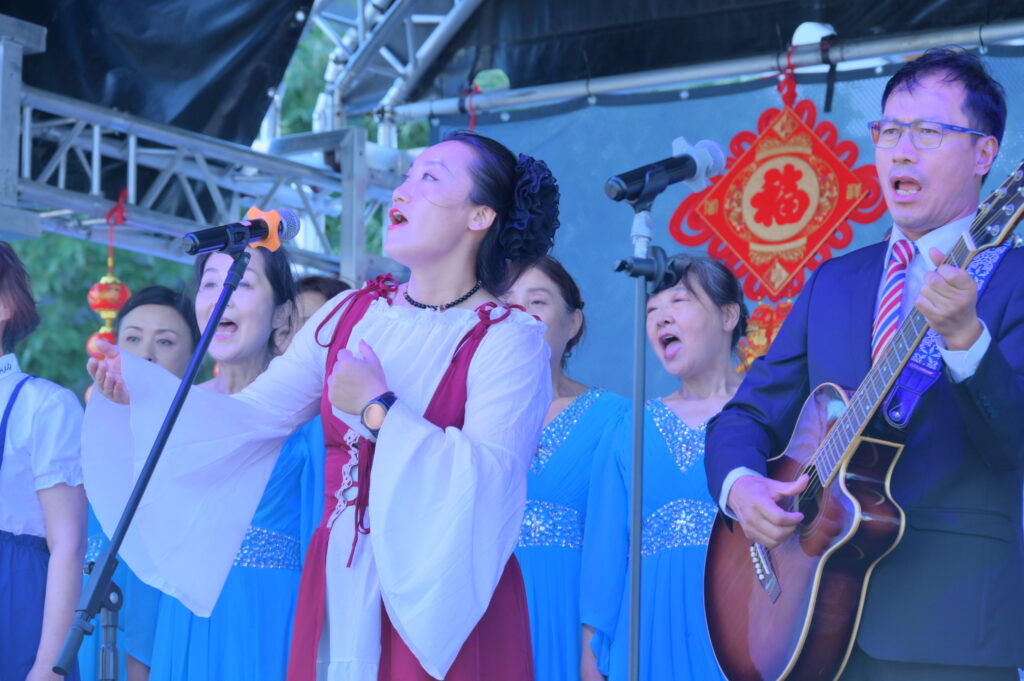
Kim Jin
Kim (Jing) Jin is is the co-founder of KJ Arts Centre.
She is the Head of Design in her Corporate career and a live operatic performer.
She brings professional creative leadership into the performing and creative arts for the centre.
With a background spanning architectural design, experiential environments, and senior design leadership, Kim’s work is grounded in structure, clarity, and intention.
She blends disciplined design thinking with performance, voice, and creative expression, helping students develop confidence, presence, and control.
She has designed the centre’s logo, flooring and interior.
Her approach balances technical foundations with expressive freedom.
Students are guided to understand form, space, rhythm, and emotional connection, while discovering their own creative voice. Drawing on years of mentoring teams and individuals, Kim creates an environment that is supportive, focused, and confidence-building.
At KJ Arts Centre, Kim leads creative and performing arts programs that prioritise expression with purpose, creative courage, and integrity in performance.