
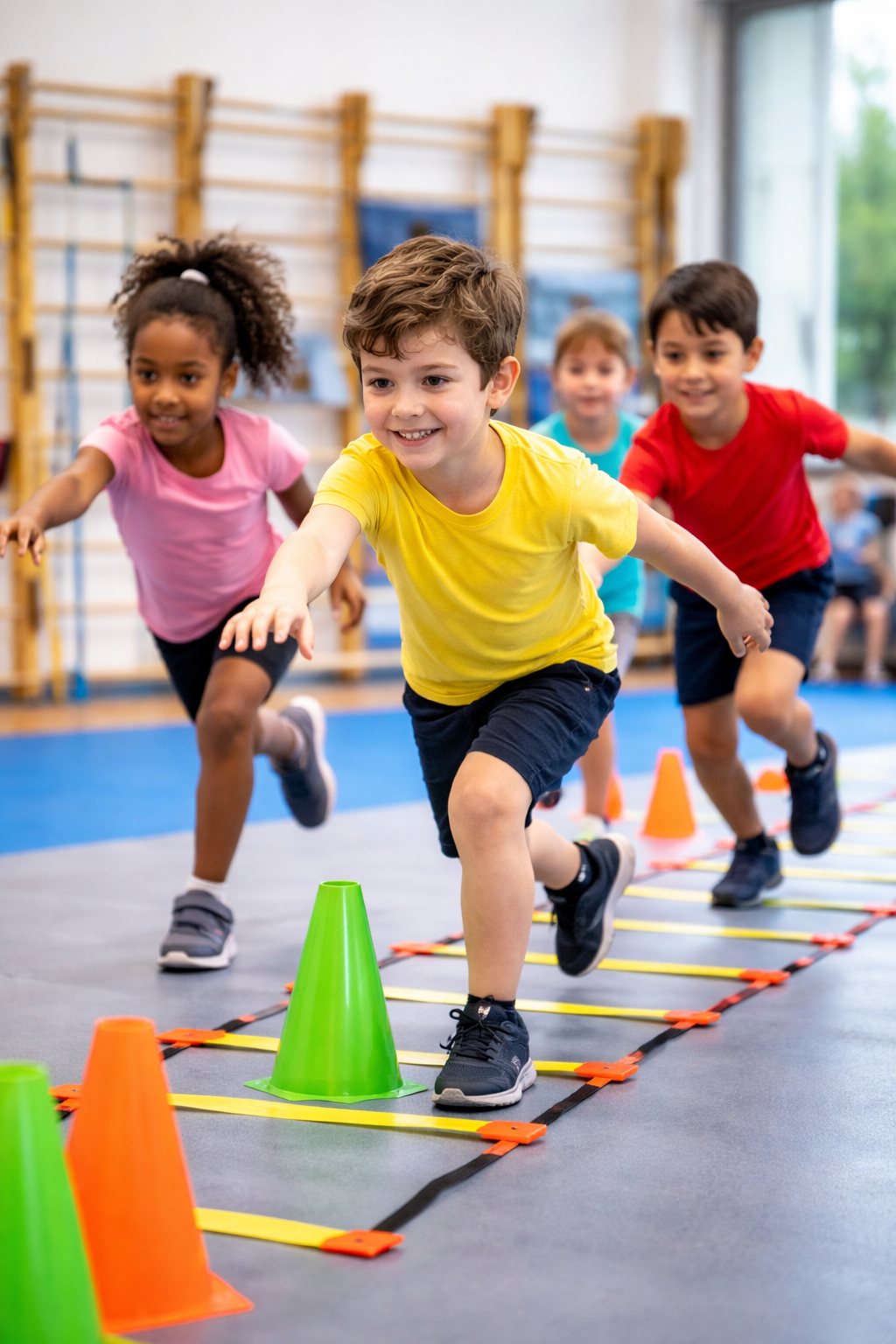
Functional movement plays an important role in helping children grow strong, capable, and confident in their bodies. It includes natural movements such as balancing, squatting, crawling, reaching, twisting, jumping, landing, and coordinating the body with control. These are not just exercise skills. They are real-life movement patterns that support healthy development, physical confidence, sport, martial arts, dance, and everyday activity. In a time when many children spend long hours sitting, increasing functional movement has become more important than ever.
Functional movement gives children the physical foundations to move with strength, balance, control, and confidence in everyday life.
When children develop better movement habits early, they are more likely to stay active, participate with confidence, and build physical skills that carry into the future. Functional movement is not about pushing children to train harder. It is about helping them move better.
Here are 5 reasons why you should increase functional movement in children:
- It improves balance and coordination
- It builds strength and body control
- It boosts confidence in physical activity
- It supports healthy growth and development
- It creates better movement habits for life
1. It improves balance and coordination
Functional movement helps children develop better control over how their bodies move. Skills like balancing, landing, turning, reaching, and changing direction all require coordination. When children practice these movements regularly, they become more stable, more aware, and more capable in sport, play, and daily activity.
2. It builds strength and body control
Children do not just need energy. They need control. Functional movement helps build practical strength through natural movement patterns rather than isolated exercise. This supports posture, core stability, mobility, and full-body control, helping children move more efficiently and with less awkwardness.
3. It boosts confidence in physical activity
Many children feel hesitant when they do not trust their own movement. They may avoid running, climbing, jumping, or joining in because they feel unsure of themselves. Functional movement helps build confidence by improving capability step by step. As children feel more coordinated and physically aware, they often become more willing to participate and try new things.
4. It supports healthy growth and development
Movement is a key part of child development. Functional movement supports strength, mobility, posture, motor skill development, and general physical readiness. It also helps children become more connected to their bodies, which is especially important during growth stages when coordination and control can change quickly.
5. It creates better movement habits for life
When children learn how to move well early, they develop habits that can stay with them for years. Good movement patterns support future participation in martial arts, dance, sport, fitness, and general wellbeing. More importantly, they help children understand that movement should feel strong, capable, and controlled, not sloppy or forced.
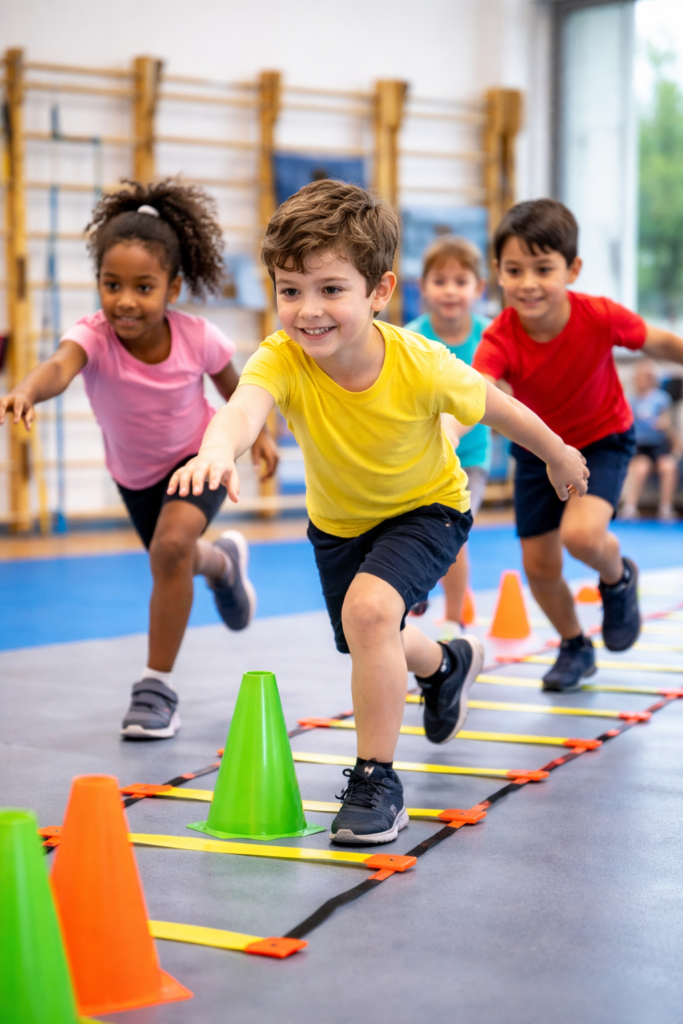
Why functional movement matters in child development
- It helps children move with more balance and control
- It supports strength, mobility, and coordination
- It builds confidence in sport, play, and training
- It encourages healthy physical development
- It lays the foundation for lifelong movement quality
Functional movement is one of the simplest and most powerful ways to support a child’s physical development. It helps children move better, feel stronger, and become more confident in how they use their bodies. For parents who want to support healthy growth, better coordination, and a strong foundation for life, increasing functional movement is a smart and valuable step.
At KJ Arts Centre, we believe functional movement should do more than improve fitness. It should help children build confidence, control, resilience, and the movement foundations that support life, learning, and growth.
Leave a Reply
You must be logged in to post a comment.