
In 1995, Karate and all Martial Arts were suddenly banned in Oman.
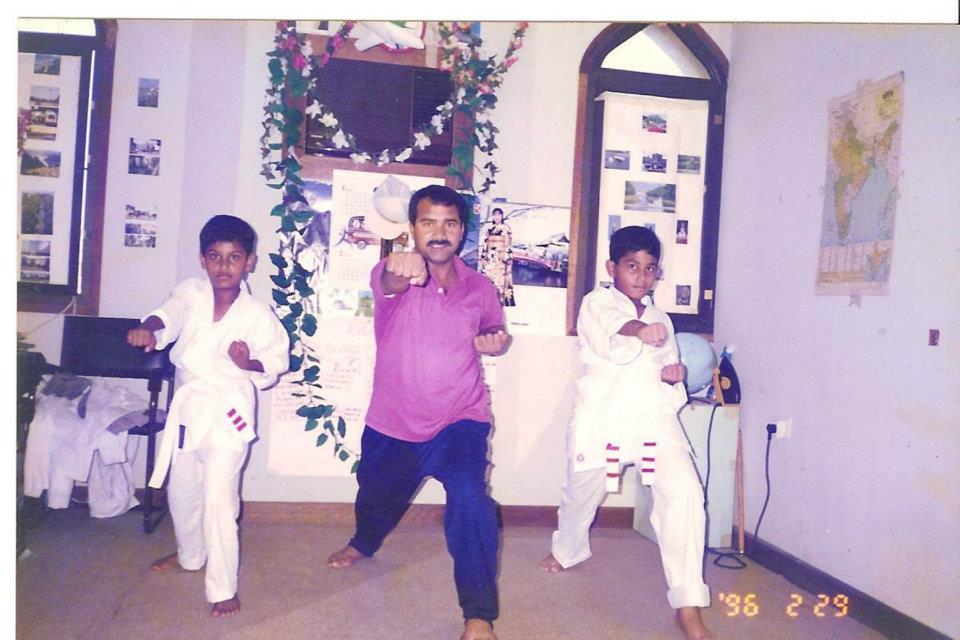
KJ started his training in secret at the age of 7 with his physical education school teacher Sensei P.L. Azad. This training took place in Sensei Azad’s school appointed accommodation room (3mx3m) with 2 other students.
KJ’s dad inspired him to train based on his dad’s wish to learn karate after watching Bruce Lee movies from the 70s and not having the option and opportunity to.
Image : Sensei Azad with 2 of his students in his bedroom where KJ started Karate in 1996.

Who is KJ Sethna?
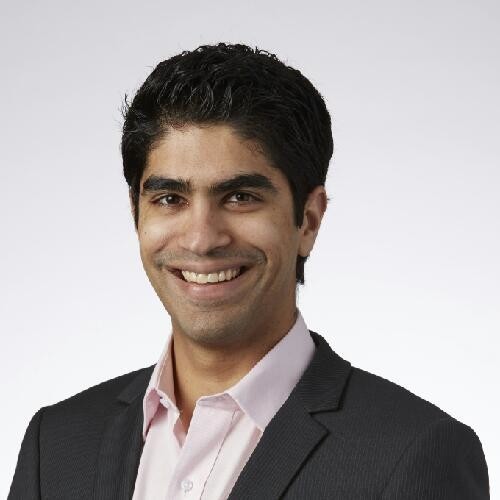
Co-Founder & Head Instructor at KJ Arts Centre.
He comes from a multi-cultural background that shapes the centre’s identify and philosophy.
KJ spent two decades in Oman and the past two decades in Australia.
With Persian Zoroastrian and Indian Jain roots, he is guided by ahimsa (disciplined non-violence) from Jainism and “Good Thoughts, Good Words, Good Deeds” from Zoroastrianism, shaping his focus on self-mastery, responsibility, and respect.
This is the philosophy shapes the KJ Arts Centre’s principle – Build Confidence. Master Spirit.
He also has a Master of Accounting from Monash University & Bachelor of Business Administration from BITS, Mesra. KJ is a Monash University Mentor and actively coaches young aspiring students.
KJ’s Corporate Career Overview
- 23: Accounting foundation
- 27: Moved into business analysis and tech delivery
- 29: Digital consulting, major retail and eCommerce transformations
- 30: Product management, coaching and writing on product delivery
- 37: Multiple launches, platforms delivered, 20+ professionals mentored
Impact
16 digital transformations in 8 years across eCommerce, fintech, and retail.
KJ’s Martial Arts Credentials
- Started Karate in 1996, started teaching Karate in 2004.
- KJ has received Formal training in Shotokan Karate, Aikido, Shorin-Ryu Okinawan-te and Close Quarter Combat
- Karate lineages bodies including JKA, SKC, WKF, ISKF, and JKS.
- KJ holds a 3rd Dan JKA (2013) awarded by Shihan Keith Geyer, Chief Instructor of JKA SKC Australasia.
- KJ holds a 2nd Dan JKA (2007) awarded by Shihan Farid Al Shuhaibi.
- KJ holds a 1st Dan JKF awarded by Sensei Azad.
- He also holds a 1st Dan(2009) in Okinawan Shorin-Ryu Combat Karate.
Who are KJ’s Key Instructors and how did they impact his growth?
While KJ has trained with more than 15 different instructors over a span of 30 years. There are 3 key instructors in his life who shaped how he practices, teaches karate and lives life.
Who is Sensei P. L. Azad ?
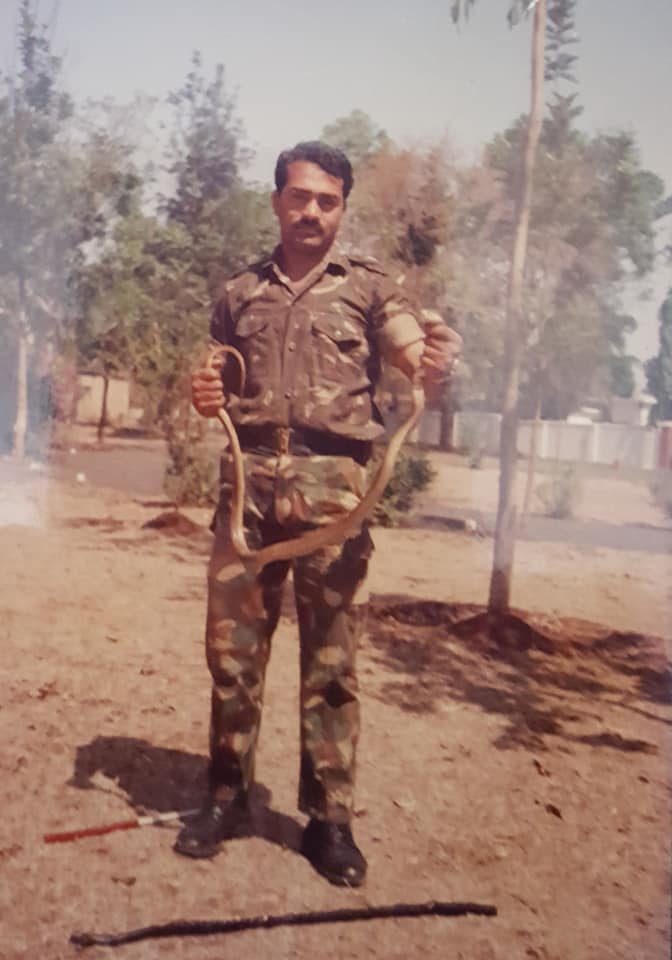
Sensei Azad is an ex-Indian Special Forces military instructor.
His Karate coaching was very difficult with a lot of emphasis on physical training, fitness and kumite (sparring).
Sensei Azad holds a 5th Dan in Shotokan Karate Do.
- In 1996 with the efforts of senior karate practitioners in Oman, Karate was no longer banned and as a result sensei Azad was able to start teaching in public again.
- Sensei Azad, had joined the Oman Karate Do Centre with Chief Instructor of Karate – Sensei Farid Al Shuhaibi, also the founder of karate in Oman.
- KJ joined Sensei Farid’s dojo as part of the one of Sensei Azad’s students.
- Sensei Azad started his own dojo after a few years with Sensei Farid and KJ spent many years training with both Sensei Farid and Azad- learning two different ways of practicing and teaching Karate.
- KJ got his Shodan under sensei Azad in 2004.
- KJ taught alongside sensei Azad from 15 to 18.
It was KJ’s first paid job! - At 19 onwards sensei Azad would let KJ run the classes 4 times a week until he left for Australia.
KJ would return later as a guest instructor from time to time. Each one of these classes would be 35-50 students each.
Sensei Azad was also KJ’s Physical Education (PE) teacher in school for 14 years. He was definitely all the students favorite PE teacher and he ran, the Gymnastics club, Skate club, Swimming Club and Karate Club at KJ’s school. He has had a significant impact on KJ’s character & spirit.
Sensei Azad is now retired living in India, still helping young people join the police and armed forces!
Who is Shihan Farid Al Shuhaibi?
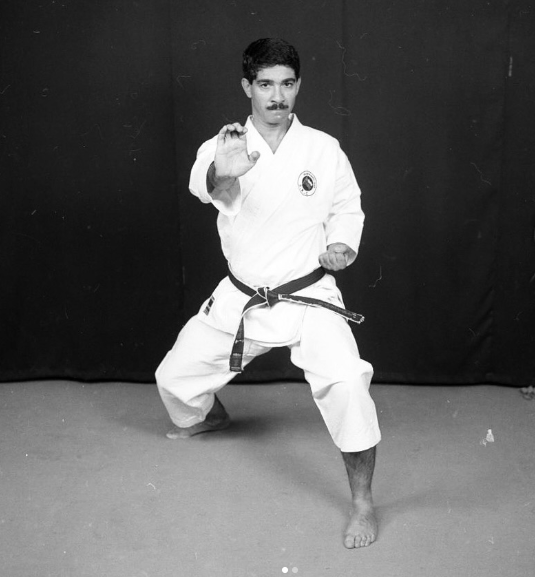
Sensei Farid is the founder of karate in Oman.
He is responsible for the spread of Martial Arts and Karate in Oman and growth of many instructors and dojos across the sultanate.
He has also helped spread Karate around various Middle Eastern & African countries.
- KJ trained with Sensei Farid from his Red Belt to Blue Belt and later from First dan to Second dan.
- Sensei Farid’s way was very technical and focused a lot on Basics (Kihon) and Forms (Kata) with some Applications (Bunkai).
- Sensei Farid mentored KJ across karate training and teaching methods.
- KJ received his 2nd Dan in 2007 after failing his first attempt in 2006 with Sensei Farid under the JKA Syllabus.
- KJ taught alongside Sensei Farid from the Age of 15 to 19.
- Sensei Farid helped KJ launch Adult Karate Classes in Oman and got KJ to join the National Team in 2009.
- When Sensei Farid had the opportunity to launch a new club at a private Omani School, he was able to give KJ the opportunity to teach by himself. This was a new challenge as KJ learnt to teach Karate in Arabic!
Sensei Farid shaped KJ’s childhood drastically by helping him through moments of identity crisis and challenges that teenagers face. He was able to help build KJ’s character with the principles of Shotokan Karate and the Dojo Kun.
Who is Shihan Keith Geyer?
Shihan Keith Geyer 8th Dan JKA is the National Chief Instructor for the JKA-SKC Australasia.
- Sensei Keith Geyer has practised Shotokan Karate since the early 1970s, guided by his late mentor and father-in-law, Shihan Stan Schmidt.
- Shihan Stan was a pioneer of JKA karate outside Japan, becoming the first non-Japanese to be awarded 7th Dan by the Japan Karate Association, and later receiving 8th Dan in 2015.
To continually deepen his skill and understanding, Sensei Keith has travelled to Japan many times to train at the JKA Honbu Dojo, including participation in the JKA instructor training program held at headquarters.
Impact on KJ
Sensei Keith mentored KJ through the difficult transition of moving to Australia and starting over in 2012.
- He opened the dojo to KJ and allowed him to train without paying fees when money was tight.
- He also gave KJ his first job in Australia. Twice a week, KJ would arrive at 5:00am to clean the dojo and lay out the mats. That small routine, and the trust behind it, helped KJ get through the early years when finding stable work without permanent residency was extremely difficult.
- Every Wednesday after setting up the dojo, Sensei Keith would buy KJ a coffee and breakfast. Those mornings became more than a meal. They were long conversations about life, philosophy, and karate that pushed KJ to train harder, work harder, and keep going.
- In 2013, when KJ could not afford to fix his car, Sensei Keith gave him a car so he could keep delivering pizzas while continuing his university studies.
KJ was eager to keep learning and to continue teaching, so he asked Sensei Keith if he could help instruct the younger children’s classes.
- In 2012, Sensei Keith had just begun classes for children on the autism spectrum. KJ was keen to support, and had the privilege of teaching alongside Sensei Keith and his daughter, Sensei Jess. Those classes taught KJ a different kind of coaching: highly technical, patient, structured, and anchored in core karate fundamentals.
- Around the same time, our late Shihan Stan would attend the adult Wednesday class at Sensei Keith’s dojo. KJ did everything he could to be there, riding his bike through cold Melbourne mornings with a balaclava, and turning up on rainy days in a raincoat with his gi underneath.
- In 2016, KJ married Kim, with Sensei Keith as a key witness at their wedding.
By his early twenties, under Sensei Keith’s guidance, KJ had the opportunity to become part of the Victorian and Australian National Karate teams, representing Australia at the World Karate Championships.
- In 2013, KJ was awarded Sandan under Sensei Keith Geyer. After this, KJ chose to step away from the grading journey. His view on grading is traditional: do not rush it. You will know when you are ready.
In 2015, while demonstrating the jump in Kata Enpi during a kids’ class, KJ suffered a serious knee injury that required three years of recovery. He returned to the dojo in 2018, and later paused training again in 2019 following a back injury.
Sensei Keith remains an instrumental part of KJ’s family and his ongoing karate path.

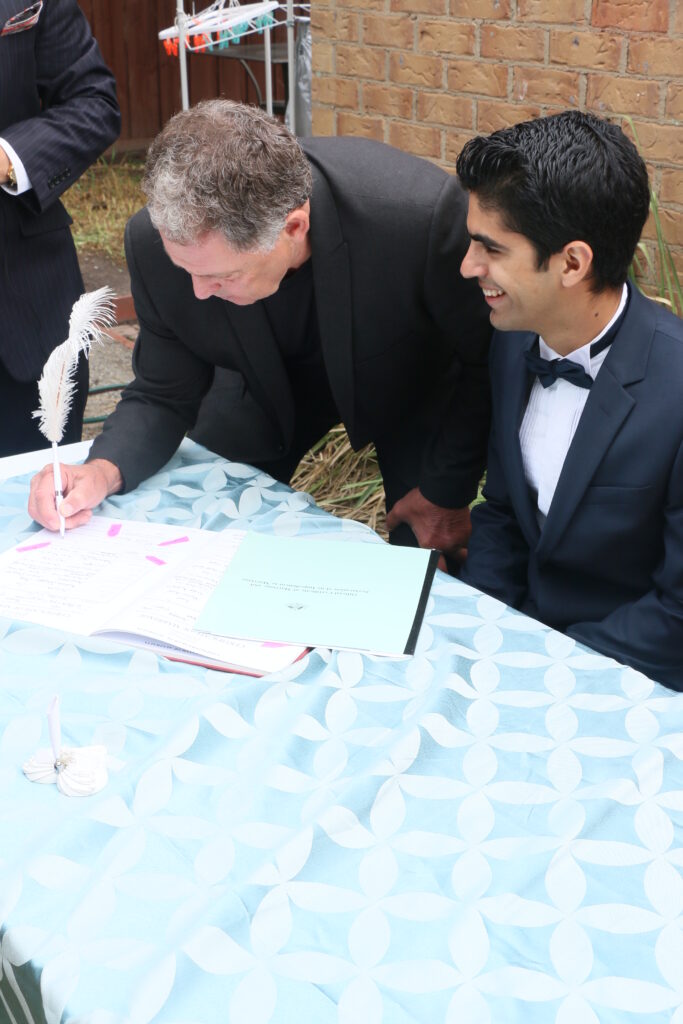
This is the kind of mentorship KJ carries forward at KJ Arts Centre: humility, service, and the quiet discipline of showing up.
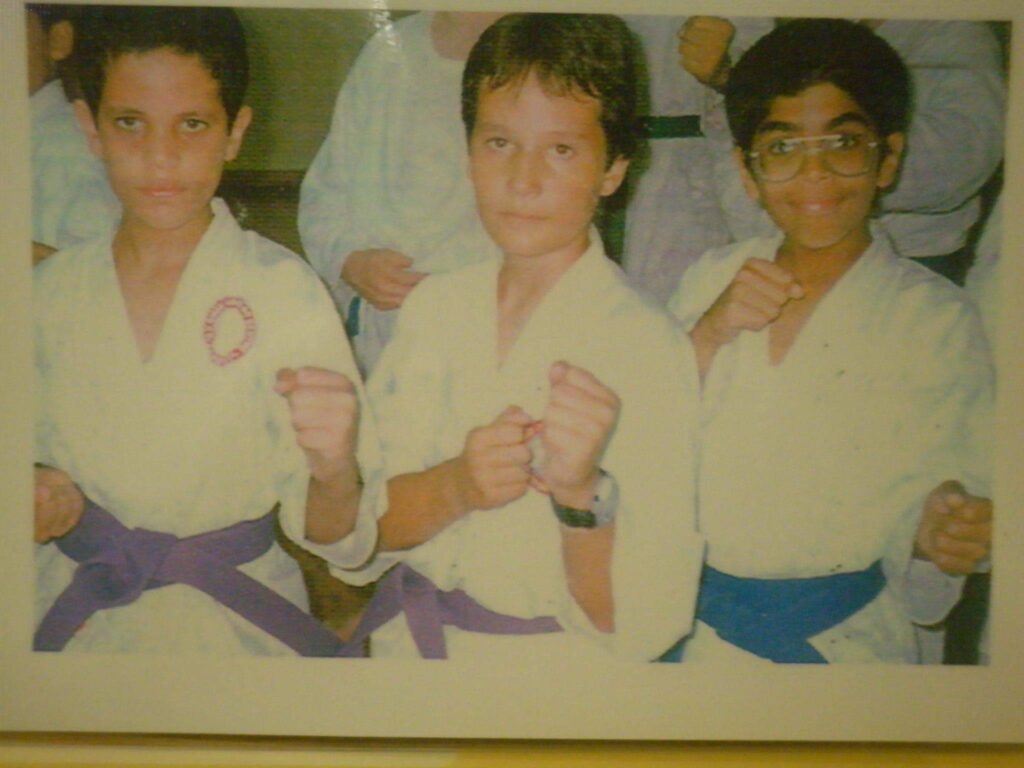
The blue belt years and almost quitting at 10!
Sensei Farid treated KJ like a son and took a special interest in his kata.
When it came time to grade, Sensei Farid insisted KJ master horse stance (kiba-dachi). KJ struggled with it, and it became the one thing he could not shortcut.
Over the next year, KJ failed his blue belt grading five times.
While his friends moved on to purple and brown belts, he stayed stuck at blue. At ten years old, that frustration nearly made him quit altogether.
That was when his mother stepped in and encouraged him to return to training, this time under Sensei Azad rather than walking away.
KJ trained with Sensei Azad until he was 15, when he earned his Shodan (1st Dan). After that, he returned to Sensei Farid to sharpen his technical karate and kata, while continuing to train with Sensei Azad as well.
It meant KJ was training five to six days a week, and it accelerated his growth fast.
Earning a black belt the old way
Sensei Azad’s core method of teaching was built on military-style drill training.
From blue belt to black belt, KJ’s training focused heavily on strength, conditioning, and mental resilience. Gradings were intentionally demanding, designed to test spirit as much as technique, and they were spread across two days.
Day 1: Physical assessment
Day 2: Practical assessment
This was the standard for every student under Sensei Azad, and at the time it was something unique in Oman.
As students progressed through the ranks, the physical standards increased in set milestones: 100, 125, 150, 175, 200, 225, 250, up to 275.
For black belt, the physical assessment required:
- 275 push-ups
- 275 sit-ups
- 275 squats
- 275 Cossack squats
If you passed the physical day, the following day tested:
- Basics (kihon)
- Sparring (kumite)
- Forms (kata)
KJ mostly remembers bruises, shaking legs, and not being able to walk properly for days.
KJ earned his black belt under Sensei Azad in 2004.
“Back then we never had any gloves, headgear nothing! In Kumite and classes, contact was real threat and getting hit was part of the training. It built a special kind of mental toughness that is hard to come by these days.”
At KJ Arts Centre, that toughness is still valued, but it is built through smart, structured training that avoids injury and supports longevity.
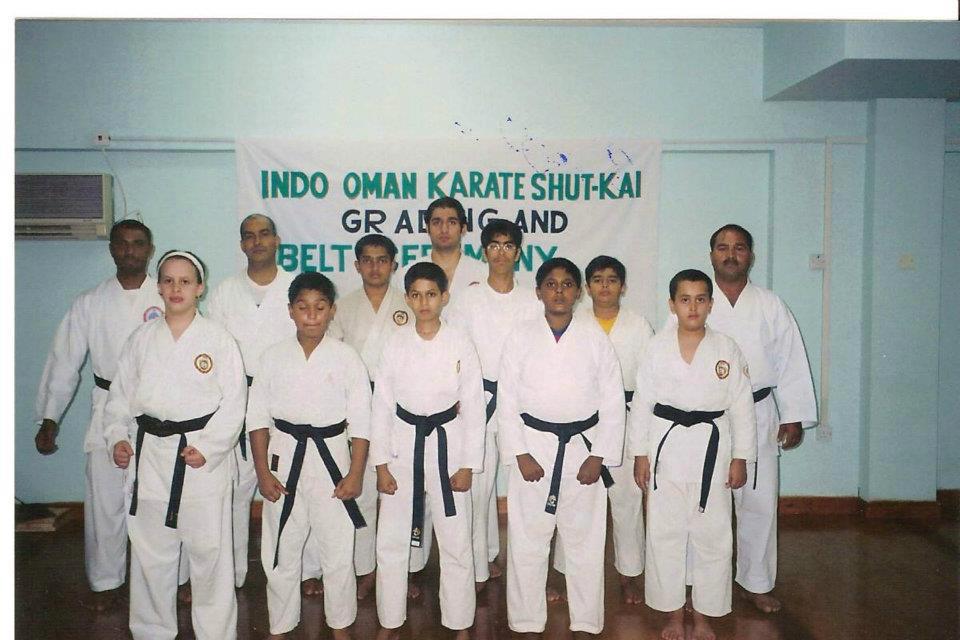
How did KJ become one of the Youngest Assistant Karate Coaches in the world?
At 15, KJ’s family business collapsed and his parents could no longer afford training fees. Sensei Azad offered him a role as a junior instructor so he could keep training, and Sensei Farid soon did the same.
KJ was now teaching and training across two dojos, coaching 100+ students a week at 15. The responsibility accelerated his growth and sparked a deeper curiosity to cross-train, study, and experiment over the years.
By 18, Sensei Azad had KJ running four classes a week, and Sensei Farid had him assisting in two more. Alongside teaching, KJ learned how to handle parent questions, student needs, planning, and the practical realities of running a dojo.
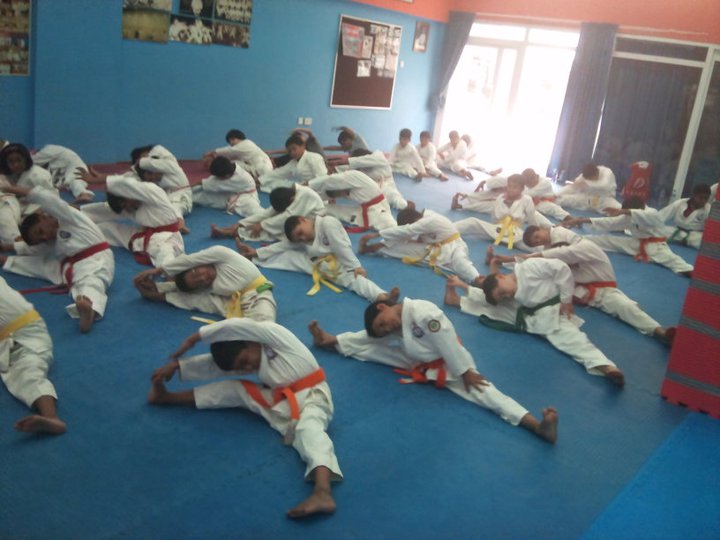
Sensei Azad’s Group
This was one of the groups KJ used to teach. The focus was on physical training – stretching, strength training, mind and body focus training. The group was 50 students 4 times a week.
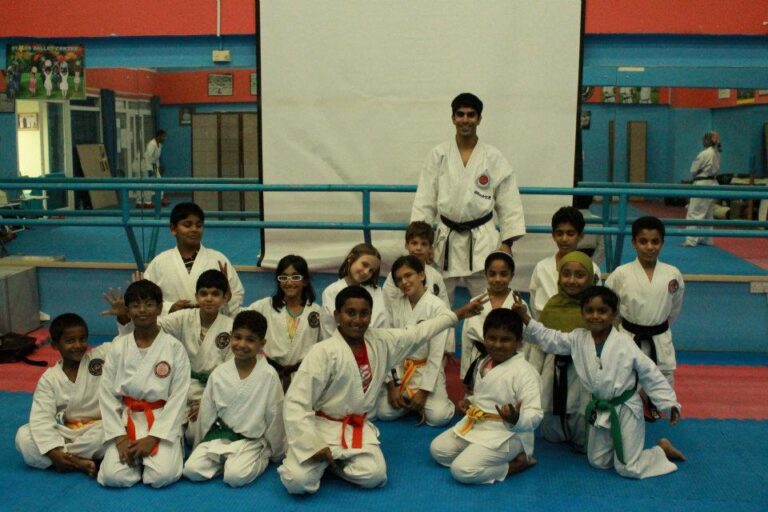
Sensei Farid’s Group
This was one of the groups KJ used to teach. The focus was on Kihon, Kata and Kumite. The group was 25 students 2 times a week.
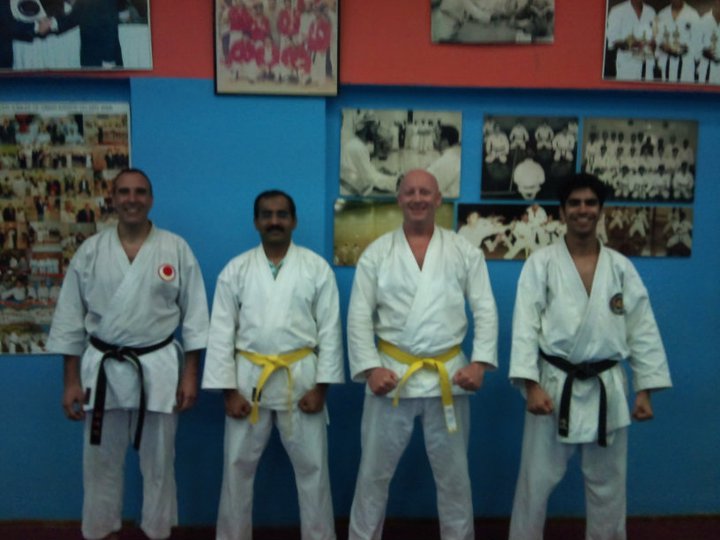
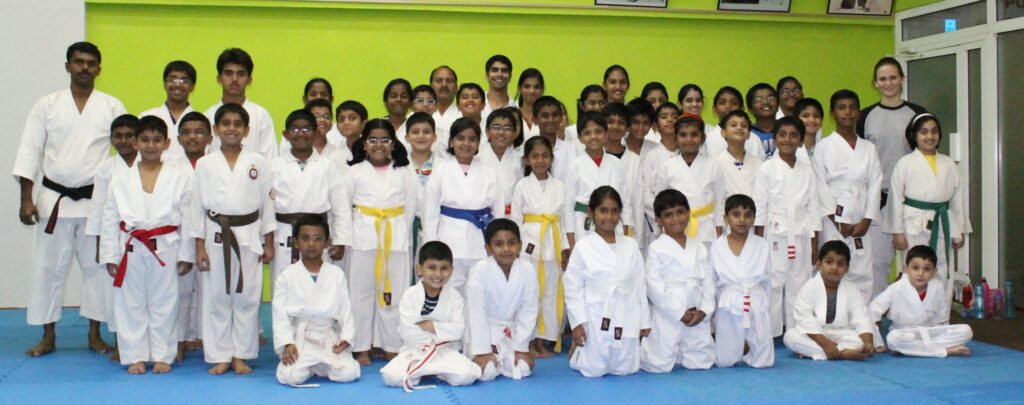
Adult Karate Classes – KJ’s Group
At 20, KJ launched Adult Karate classes in Oman with the vision of building a club of older martial artists.
KJ as a Guest Instructor
KJ would also come back to Oman and give guest instructor classes on things he had learnt while training in Australia with Sensei Keith Geyer.
KJ’s Support Structure
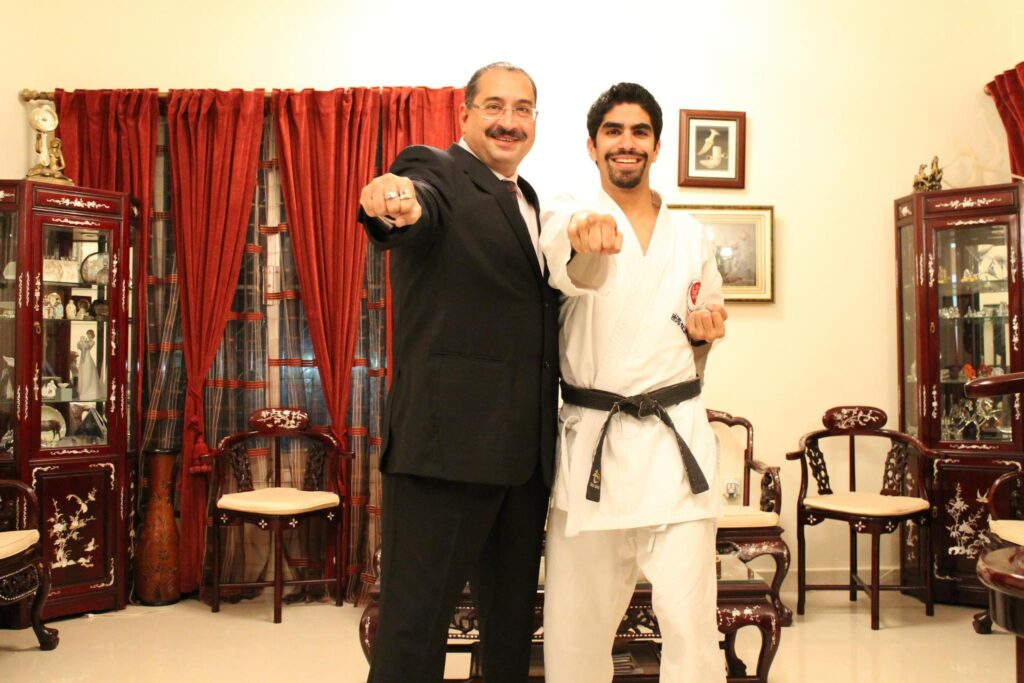
Dad
Jehangir Jal Sethna, gave KJ what every young martial artist needs: direction, steadiness, and belief.
Even with demanding workdays
from 8 am – 9pm , he remained a constant guide and ensured KJ had the opportunity to train when it mattered most.
He wanted to ensure that his son got an opportunity to train in martial arts as his parents couldn’t afford to send him when he wanted to as a kid.
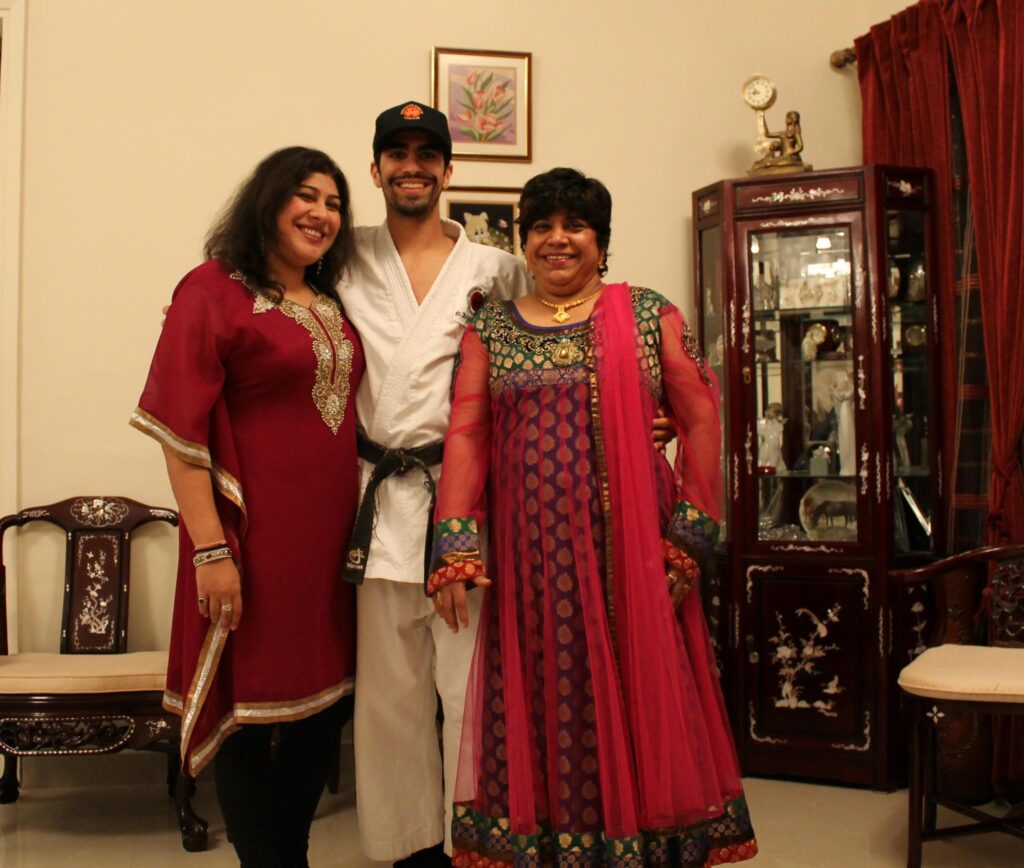
Sister & Mom
KJ’s elder sister, Benaifer, was not just family, she was part of the training journey.
They trained young, pushed each other hard, and she helped build the resilience that shaped KJ’s mindset early on.
When KJ first moved to Australia, she stepped in with practical financial support to help him stabilise and keep moving forward.
KJ’s mum, Anila, made consistency possible. She handled the logistics and the structure, making sure he could attend training week after week, even when life was busy.
She also taught him the foundations of business and accounting, lessons that still influence how he builds today.
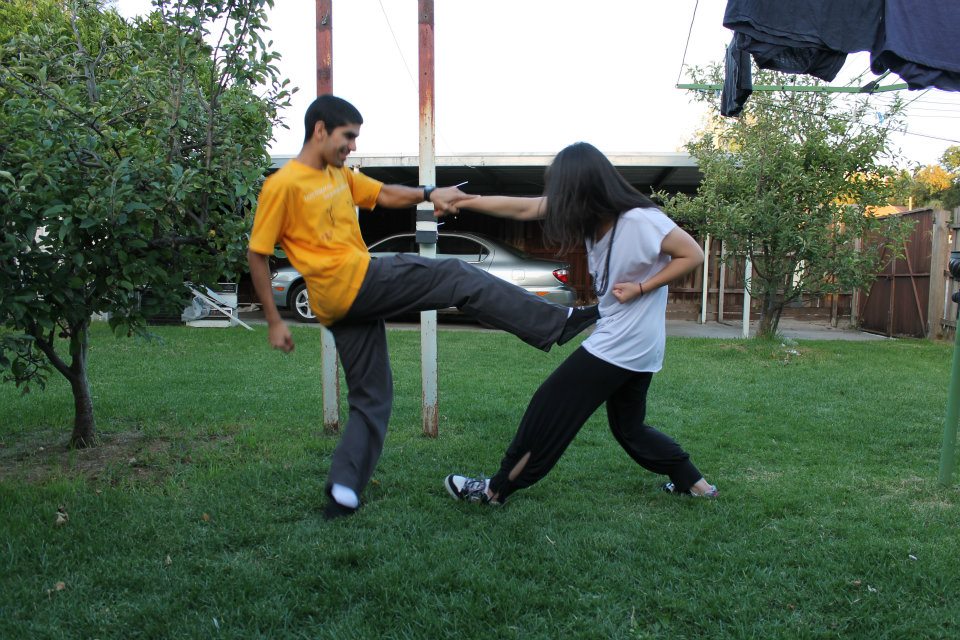
Wife
Kim has stood beside KJ from the beginning, supporting the karate journey through day and night training regiments, competitions, gradings, setbacks, and recovery.
She has been the calm strength behind the scenes, the kind that keeps you progressing when motivation fades.
She has also supported him setup and co-found the KJ Arts Centre, while managing the daily duties of their two young children, Kiana and Jiana.
Training tools and conditioning
KJ also used a few different training tools in his early years – images of his first Makiwara that his dad helped build, a few free weights and concrete blocks to do pushups on.
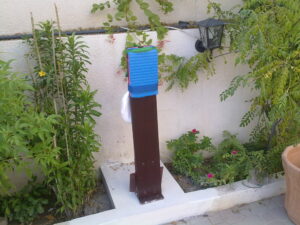
First Makiwara
A makiwara is a traditional Okinawan karate tool: a padded, tapered wooden post set into the ground.
It is used to condition the knuckles, wrists, and shoulders while sharpening punching, kicking, and striking accuracy.
Because it gives progressive resistance, every impact demands clean alignment, solid core stability, and efficient force transfer through the whole body.
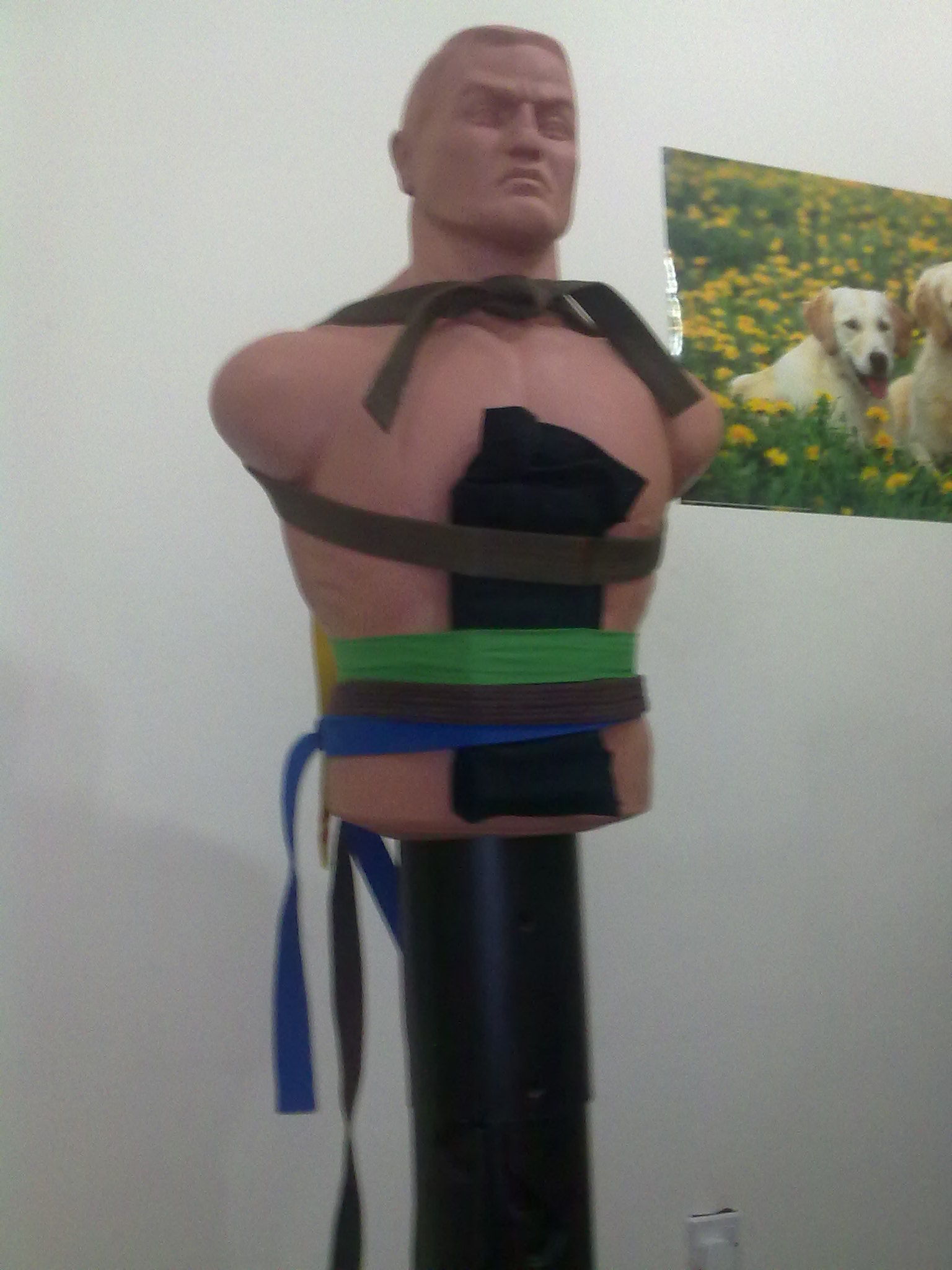
BOB – Body Opponent Bag
BOB is a human-shaped target built for realistic, high-volume training.
Its body-like silhouette helps you practice precise targeting and movement, while the forgiving surface absorbs impact so you can throw faster, longer combinations with less stress on the joints.
The Century BOB’s height can be adjusted from 5’6 to 6’2.
KJ would train on it daily for 45-50 mins, especially doing unconventional techniques like tobi heza geri and mwashi jodan.
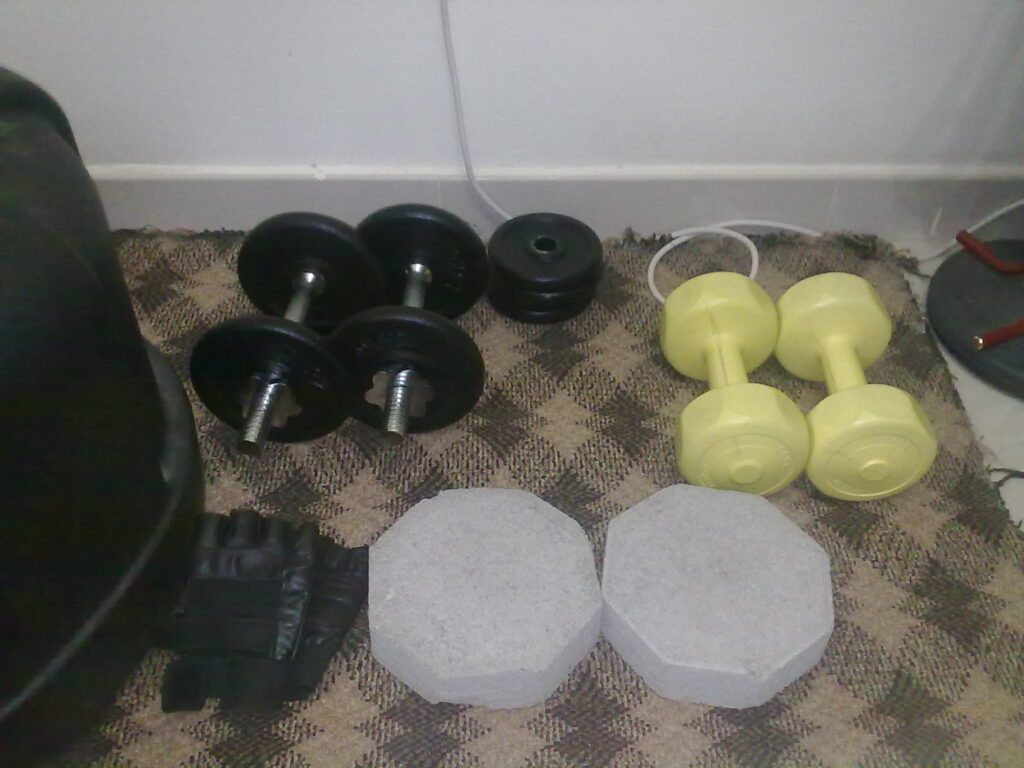
Old-school conditioning aids
Basic weights 5- 6 kilos and concrete blocks for knuckle conditioning to strengthen the hands, wrists, and forearms so technique holds up under impact.
Built for longevity, not bravado.
KJ would use these daily with high reps to build speed, power and agility over bulk.
Unconventional techniques and personal style
KJ is drawn to techniques that break patterns, create surprise, and work under pressure, not just in perfect conditions.
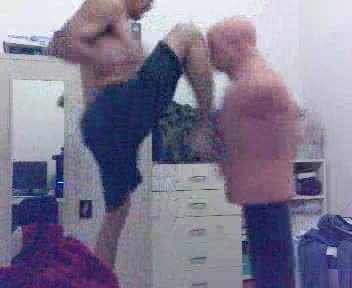
Flying Knee Kick
(Tobi Heza Geri)
As a teenager, KJ trained his flying knee kick every day, spending over 30 minutes in his room working the body opponent bag.
That consistency built the dynamic elasticity and spring needed for powerful, high-jumping techniques.
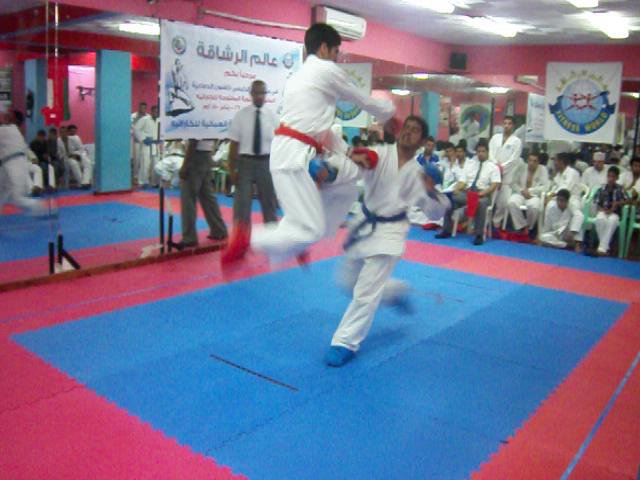
Flying Punch
(Tobi Tsuki)
KJ would sometimes use a flying punch in sparring to break rhythm and create openings.
KJ believes that, even when it does not “score”, the shock factor still shakes an opponent and forces mistakes.
In sports karate it was often dismissed, because if it is not on the “approved technique list”, it does not count.
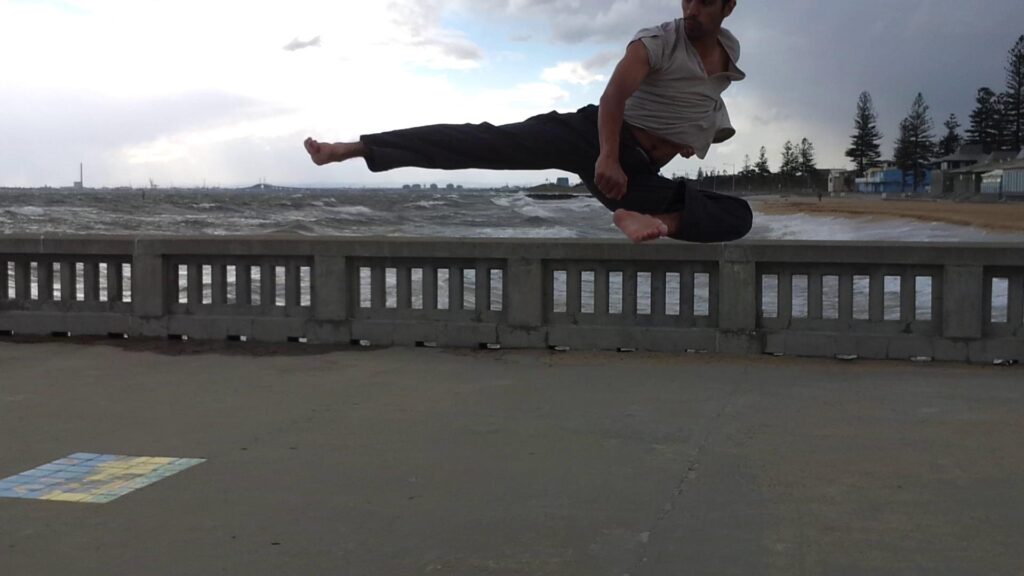
Flying Side Kick
(Yoko Tobi Geri)
Inspired early on by film Mortal Kombat, and the character Johnny Cage doing this kick.
KJ became obsessed with making the flying side kick functional.
He refined it into a fast, decisive entry tool.
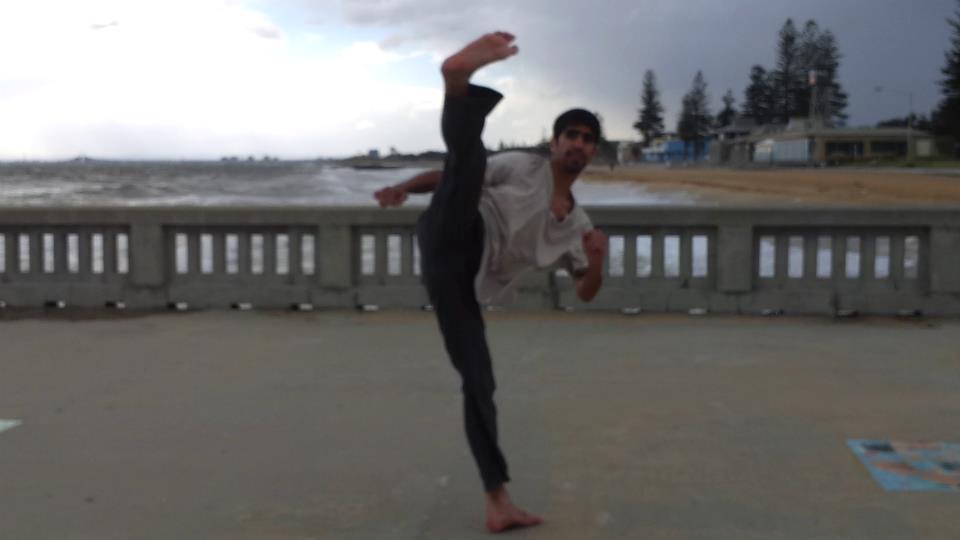
Round house kick with ball of the foot (Mwashi Geri – Koshi)
A favorite for speed and penetration, delivered with the ball of the foot.
Built to land clean and end the exchange.
KJ Refused to Grade After Earning His Black Belt and What Changed Everything
KJ has always taken a traditional view of karate, so after earning Shodan (1st Dan) he was hesitant to chase the next rank.
He saw too many “black belt factories” pumping out belts and gradings that added little real value.
To him, it fed ego, created cliques, and turned karate into a status game.
A turning point came when Sensei Farid coached KJ to focus on training and growth, not politics or belt-chasing.
In 2007, KJ graded to Nidan under the JKA system after three years at Shodan.
Most of the students who started Karate with KJ and got black belts at the same time, either stopped training or rushed to their second dans and then quit.
KJ now believes the time spent in each grade matters. Slow progression builds deeper understanding of technique and form, and rushing the process rarely adds anything meaningful.
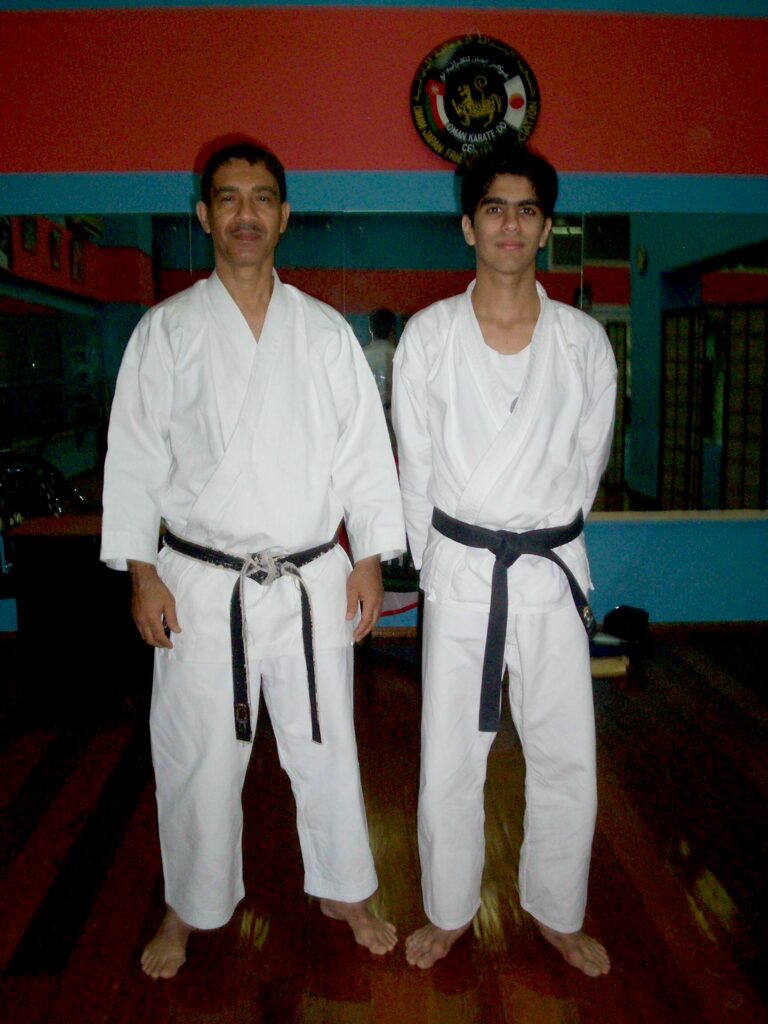
Shihan Farid Al Shuhabi & Kushru (KJ) Sethna, after KJ’s JKA Nidan Grading in Oman, 2007.
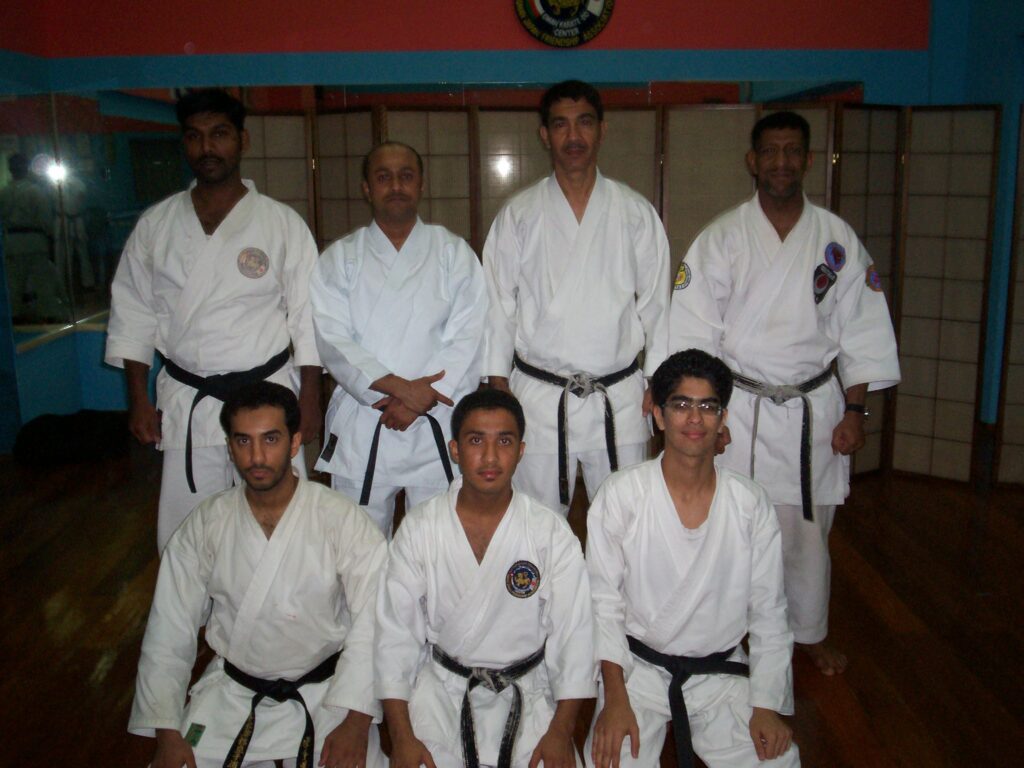
Top Row : Navas Mokeri, Late Shihan Khalid bin Mubarak Al Balushi, Shihan Farid Al Shuhaibi and Shihan Khaled
Bottom Row: Hilal Al-abdali, Husam AL Shabibi and Kushru Sethna
Why did KJ take Karate Digital in 2006?
Being a technically savvy geek KJ at 17, KJ found that there were many disorganized groups at the time and with this he created a Facebook Group with the vision at the time to spread karate knowledge around the world and find content that was secret that could be shared.
He wanted to promote open discussion in the world of karate as it was seen as “Taboo” to discuss techniques, faults and problems.
This page reached a peak of 25,000+ followers. KJ stopped posting for 5 years and returned back to create content in 2024.
At the back of this Facebook Page, KJ created the Youtube Channel to share key basic movements of Karate, some of his research on movement. This channel has over a million views and has helped spread real karate techniques in the world.
This digital access helped KJ make friends at a global stage which later helped him find a dojo when he moved to Australia with the Legendary Karate Instructors – Keith Geyer and Stan Schmidt.
What made KJ explore other Martial Arts?
After his black belt 2nd dan grading, KJ was more curious about other styles and arts.
During this journey he came across a traditional Aikido Instructor – Randy Conn who KJ trained with twice a week for 3 years.
Sensei Randy is a traditionalist Aikido-ka who follows the Aikikai system.
Sensei Randy would throw KJ around the room while pointing out things he could improve in his martial arts journey.
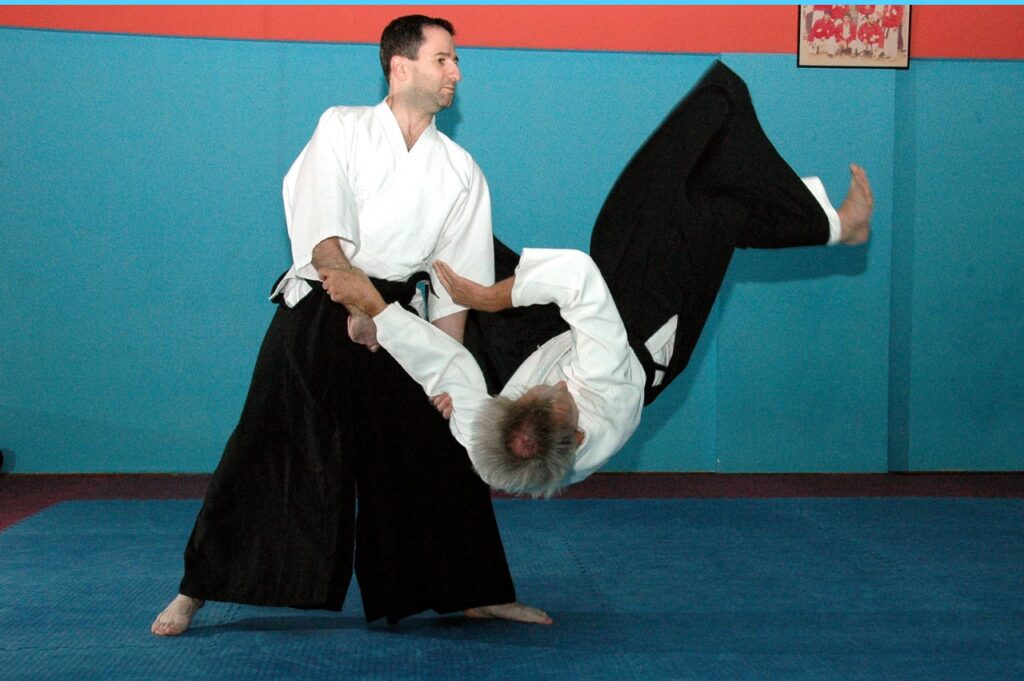
KJ was curious to try out various karate techniques against Aikido practitioners to see how they would react and how he could counter.
Sensei Randy would always find it interesting and tell the other students to watch out for KJ’s reflex to spinning back fist strike (Uraken).
Sensei Randy’s classes were very small format with 2-3 students max at a time so there was an opportunity to get 1-1 coaching.
KJ’s curiosity didn’t stop there.
He wanted to get experience with Judo, other forms of Karate and other martial arts.
At the time Oman didn’t have Judo classes but there was a Judo practitioner who had travelled to Oman and would come around to the dojo in the late evenings to try to cross train.
This gave KJ an opportunity to train with him.
KJ was always surprised to get thrown up in the air and flopped around feeling helpless.
He learnt quickly to never let a Judo-ka grab you!
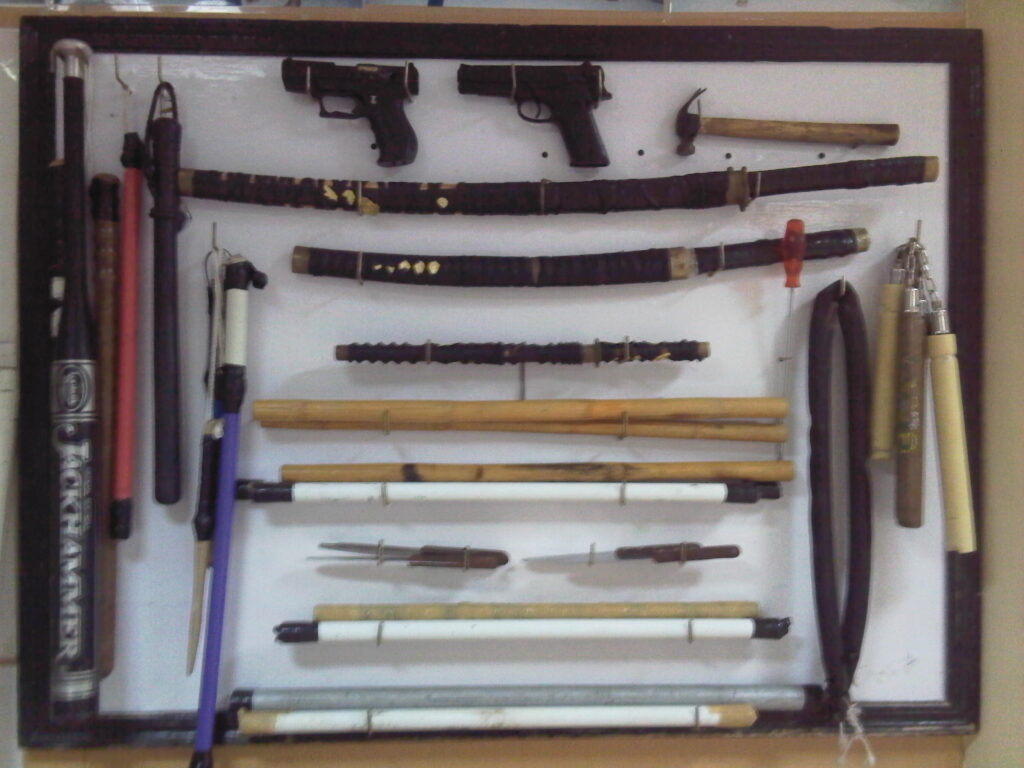
KJ also found one of Master Frank Nobleza’s students who was teaching a blend of CQC, Shorin-Ryu karate and Filipino martial arts calling it Okinawan Shorin-Ryu Combat Karate. KJ trained with them for 2 years with a curiosity to learn weapons and defense against weapons.
Frank Nobleza, is a self-defense specialist, with experience from the American military base, and the police academy in Oman who focuses on close quarter combat techniques and self defence.
What’s KJ’s View on Sports Karate?
KJ respects sport karate for what it is: a rules-based format that develops timing, movement, control, and competitive composure.
But he does not believe modern competition rules always reward what works in real situations.
KJ would often get disqualified in Kumite competitions for the level of contact applied or techniques executed. For example – he would do a flying punch or spinning back hand strike.
Sensei Farid encouraged KJ to compete through JKA and WKF events to stay balanced and to represent karate well. KJ competed in kata and kumite, with a clear preference for kumite. His mindset was simple: if you cannot apply it, it is incomplete.
That approach often clashed with competition rule-sets. KJ was regularly warned or disqualified for heavier contact, or for techniques that were effective but not favoured in scoring, such as a flying punch or a spinning backfist.
Even with those reservations, KJ competed widely.
From ages 17 to 20, he represented the Omani National Team at competitions and demonstrations, promoting karate through JKA and WKF events. From 2007 to 2012, he also served as a state and national-level competition referee in Oman.
After a series of injuries, KJ stepped away from competing in 2015 in Australia.
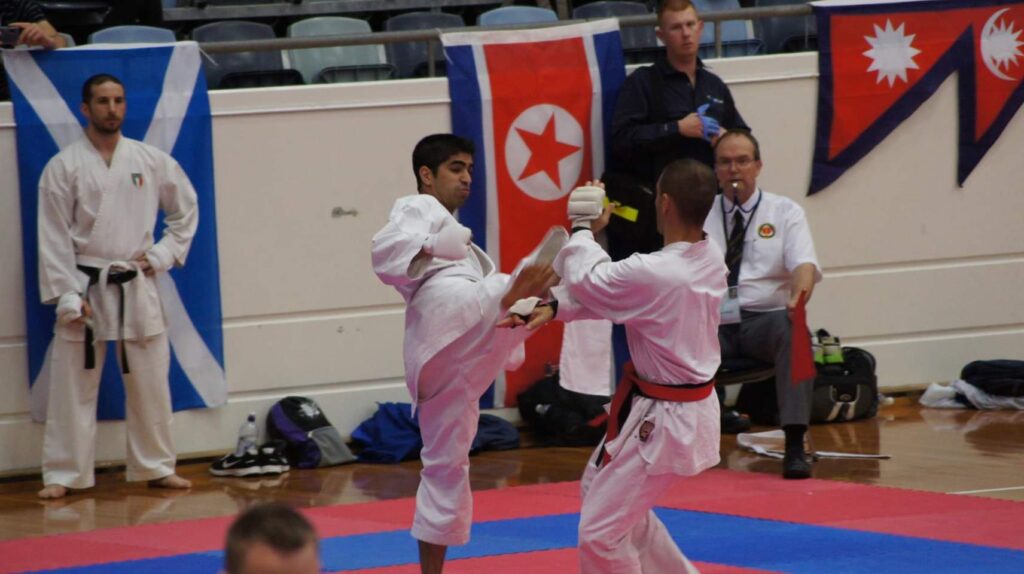
World Karate Championship 2013
Kumite against Serbia. In this photo KJ kicked the Serbian Karateka in the first 5 seconds of the match in the head which dropped him and this resulted in a warning to disqualification.
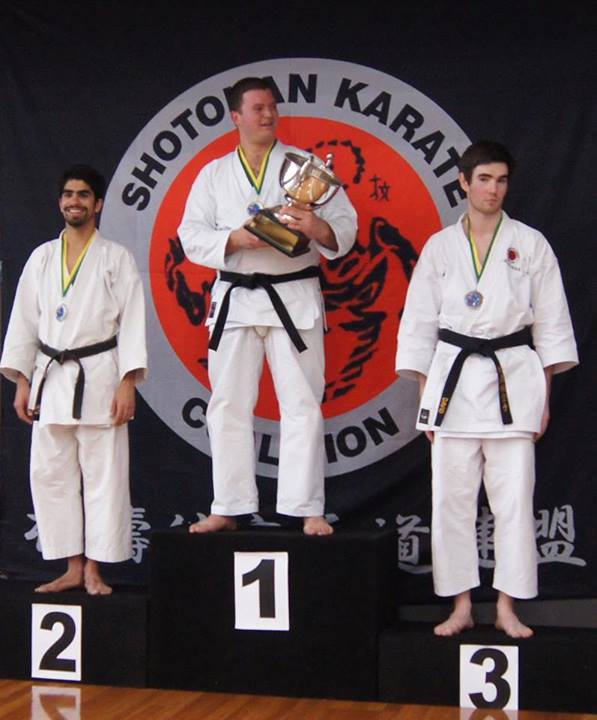
Australian SKC Nationals 2013
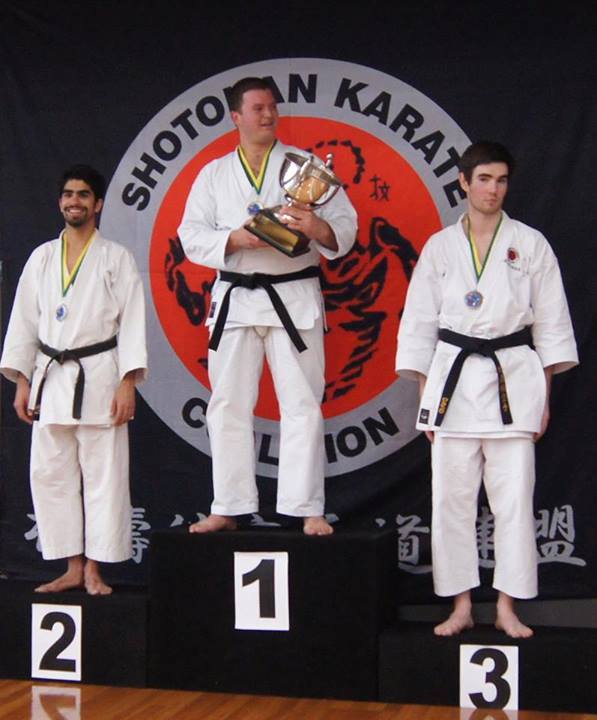
2nd Place Kata at the SKC Nationals in 2013, no weight or height class.
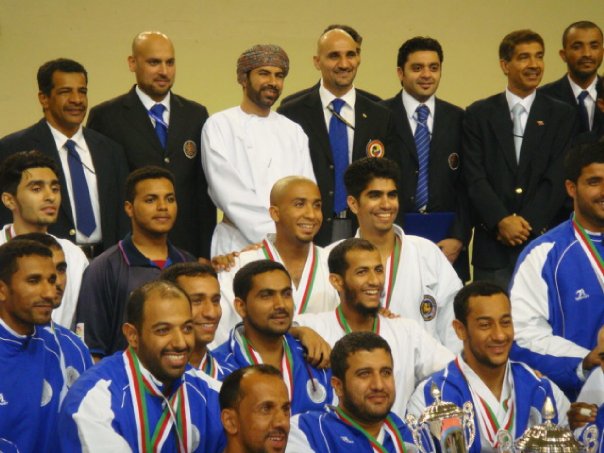
Sultan Qaboos Stadium Oman Nationals 2009
KJ with international Referees and the Omani Karate National Team. Mainly members of the Royal Omani Police Forces and Armed Forces.
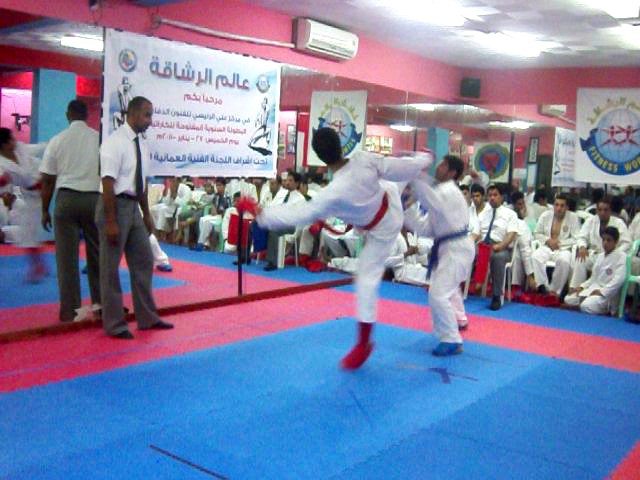
WKF Competition 2009
KJ scoring Ippon at a WKF competition in Oman with a “Ura Mwashi Geri” – Reverse Spinning kick.
Why did KJ move to Australia?
At 21, KJ wanted to study Bachelor of Sports Science, however his mother refused to let him go unless he picked something in Accounting or Finance.
At 22, KJ came to Australia to do his Masters in Accounting and also had a goal to set up a Dojo here to continue teaching Karate.
When KJ moved to Australia, his JKA Karate friend Marco Maciel from Chicago told him to seek out Karate Legends from South Africa – Shihan Keith Geyer and the late Shihan Stan Schmidt who taught in Elsternwick, Scouts Hall.
This is when moving to Australia helped KJ improve his Karate tenfold!
Meeting Karate Legends Shihan Keith Geyer & Shihan Stan Schmidt and training with them, allowed KJ to significantly improve his Kihon and Kata.
Shihan Keith Geyer told KJ to join the Early Birds Classes that take place at 6 AM at the Elwood Jetty and are as hard as they come. If you missed one week you had to come the next week and train at 5 AM and do 20 Katas by yourself before everyone arrived.
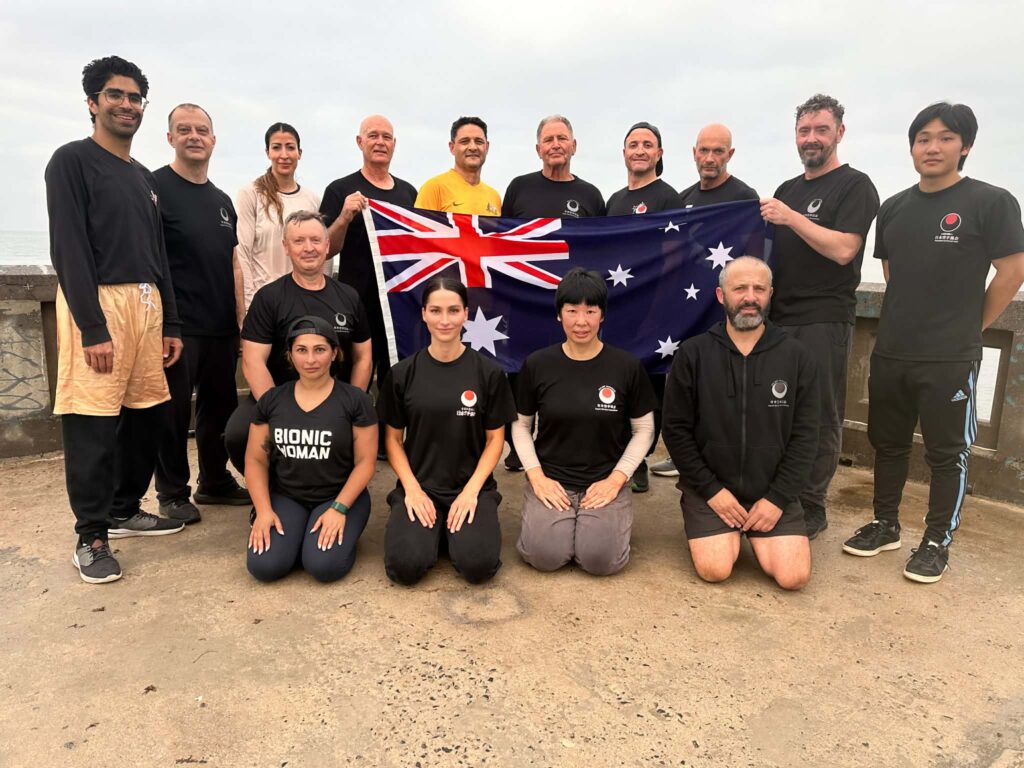
Australia Day 2026 – Elwood Jetty Early Birds Karate Training at 6 AM
Memorable karate moments

Begin your journey.
Build confidence. Master spirit.